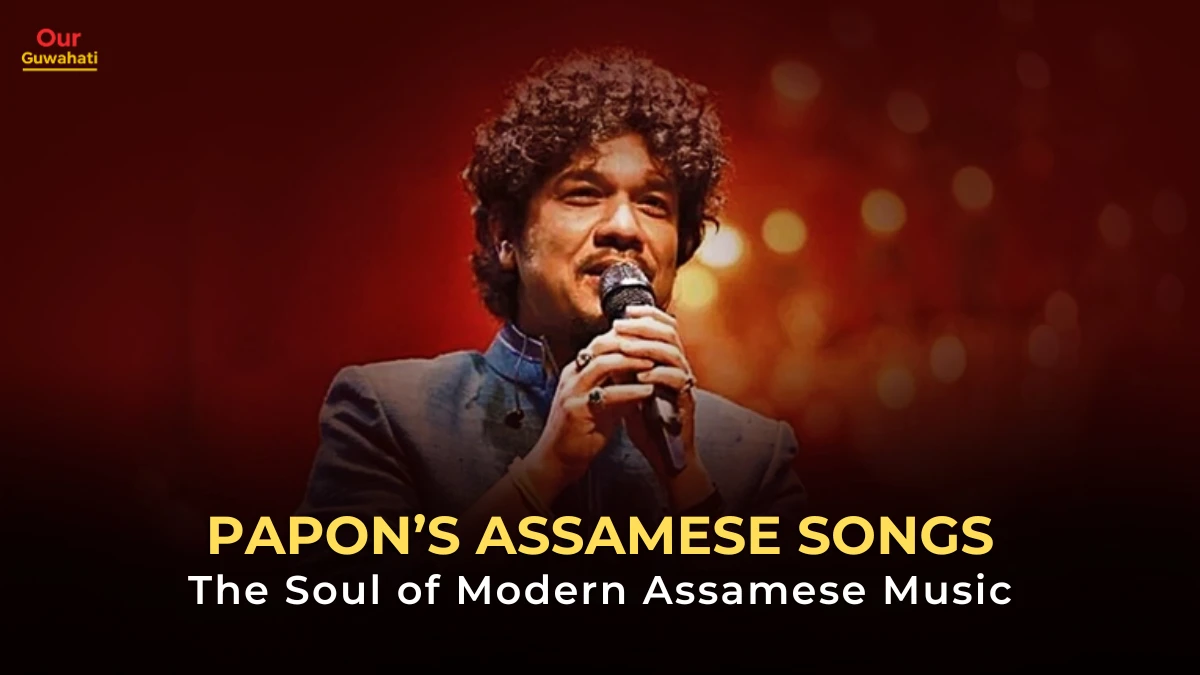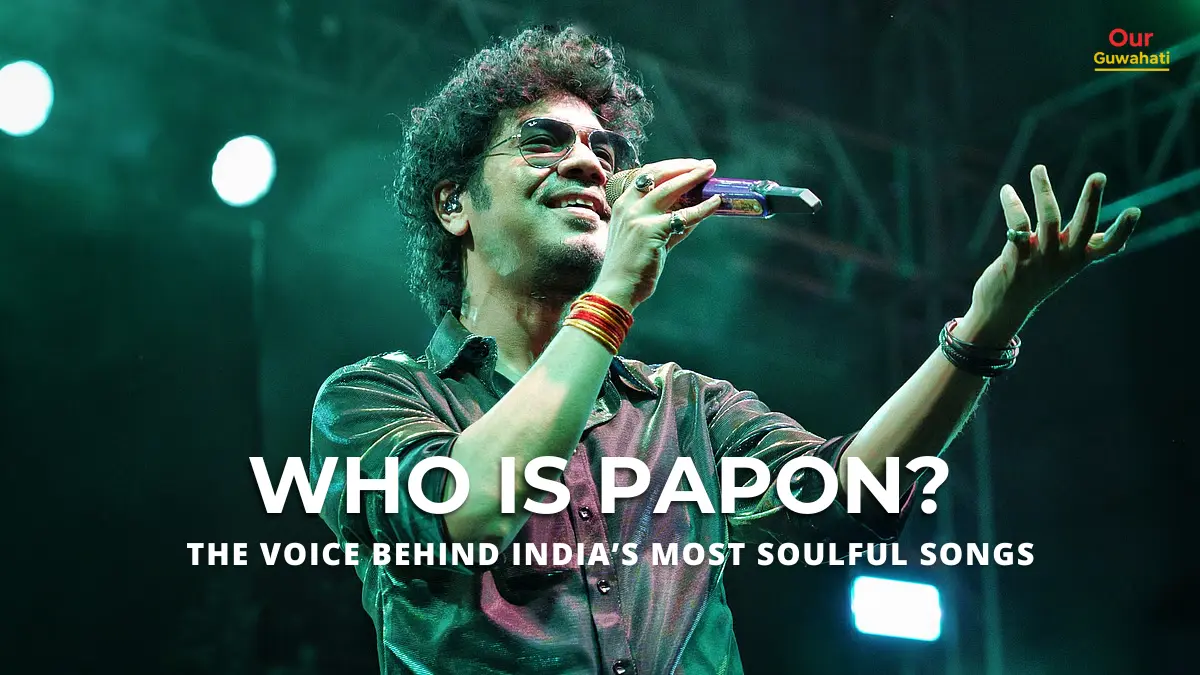

Papon is one of the most recognisable voices to emerge from Assam, known for blending Assamese folk traditions with Bollywood, indie, and contemporary Indian music. Born as Angaraag Mahanta, he built a career that extends far beyond playback singing, becoming a cultural bridge between regional identity and mainstream Indian music. In this article, we explore Papon’s family background, lifestyle, estimated net worth, house and residence, car and bike collection, musical achievements, awards, and broader cultural influence.
This feature has been compiled using various publicly available interviews, entertainment profiles, media references, and publicly discussed information to provide a balanced and respectful overview of the artist’s personal and professional journey.
Papon Family & Musical Lineage: The Roots Behind the Voice
Understanding the Papon family background is essential to understanding the artist himself. Long before becoming a nationally recognised playback singer, Papon grew up in one of Assam’s most respected musical households. Music was not introduced to him later in life—it was present in everyday conversations, rehearsals, cultural gatherings, and folk performances from childhood itself. This environment shaped not only his musical instincts but also his emotional and cultural connection to Assamese folk traditions.
Born in Guwahati as Angaraag Mahanta, Papon inherited a rich artistic legacy through both his parents, who were already celebrated names in Assamese folk music. Their influence gave him early exposure to traditional Bihu rhythms, regional poetry, and live folk performance culture, all of which later became defining characteristics of his own musical identity.
Family Overview of Papon
| Family Member | Name | Role / Public Identity |
|---|---|---|
| Father | Khagen Mahanta | Legendary Assamese folk singer, known as the “Bihu Samrat” |
| Mother | Archana Mahanta | Renowned Assamese folk singer and cultural performer |
| Sister | Kangkini Mahanta | Associated with Assamese music and cultural circles |
| Wife | Shweta Mishra Mahanta | Environmental activist and founder of Earthful Foundation |
| Children | Puhor Mahanta, Parijaat Mahanta | Kept largely away from public media exposure |
Growing Up Inside Assam’s Folk Tradition
Papon’s father, Khagen Mahanta, was one of the most influential figures in Assamese folk and Bihu music. His work helped popularise Assamese folk traditions across generations, earning him immense cultural respect throughout Assam. At the same time, his mother, Archana Mahanta, contributed significantly to Assamese folk performance and cultural preservation. Together, they created a household where music functioned as a lived cultural practice rather than merely a profession.
This environment exposed Papon to:
- Traditional Assamese folk instruments
- Bihu performance culture
- Folk storytelling structures
- Live musical rehearsals
- Regional lyrical traditions
As a result, even today, his music carries a naturally rooted Assamese emotional quality, regardless of whether he sings in Hindi, Assamese, or other languages.
Marriage, Children & Private Personal Life
Despite being a public figure, Papon has generally maintained a low-profile personal life. He is married to Shweta Mishra Mahanta, who is known for her work in sustainability and environmental awareness through the Earthful Foundation. Unlike celebrity couples heavily active in entertainment media, they have largely kept their family life away from excessive public attention.
The couple has two children, Puhor and Parijaat, whom Papon rarely places in the public spotlight. This reflects his broader lifestyle philosophy—creative and culturally visible in music, but private and grounded in personal life.
How Family Shaped His Musical Identity
The strongest aspect of Papon’s upbringing is that it gave him cultural depth before commercial success. Even after gaining recognition in Bollywood and national music circuits, he continued returning to Assamese folk sounds, Bihu rhythms, and regional storytelling structures because those influences were embedded into his identity from childhood.
This musical lineage is one of the biggest reasons his songs feel emotionally authentic rather than commercially manufactured. It also explains why listeners across India often connect with his music even without fully understanding the language—because the emotional sincerity rooted in his upbringing remains universally relatable.
| Also Read |
|---|
| Papon Songs List: Complete Hindi, Assamese, Bengali & Indie Hits |
| Papon Best Songs List: Top Hindi, Assamese, Bengali & Indie Tracks |
Lifestyle & Public Personality: Simplicity Beyond Celebrity Culture
Despite national fame and mainstream recognition, Papon’s lifestyle has largely remained grounded, private, and culturally connected. Unlike many public figures who build highly visible celebrity personas, Angaraag Mahanta is often perceived as someone who prioritises music, personal space, and creative authenticity over constant public exposure. This understated personality is one of the reasons audiences across Assam and India continue to connect with him beyond just his songs.
While many public profiles associate him with Mumbai because of his professional commitments in the Indian music industry, Papon has consistently maintained strong emotional and cultural ties to Assam. His public appearances, Assamese releases, Bihu performances, and folk-fusion projects continue reflecting this connection, making him one of the few mainstream artists who have never distanced themselves from their regional identity after achieving national success.
A Lifestyle Built Around Music and Creative Balance
Papon’s lifestyle appears to revolve primarily around:
- Studio recording sessions
- Live performances and concerts
- Travel for music festivals and collaborations
- Assamese cultural events
- Quiet, family-oriented personal time
Unlike aggressively commercial celebrity branding, his public image has remained closely tied to artistry and cultural representation rather than glamour-driven visibility.
This balance between professional visibility and personal privacy gives him a distinctive public personality—recognisable nationally, yet still emotionally relatable to regional audiences.
Maintaining a Strong Connection with Assam
Even while working extensively in Bollywood and independent music circuits, Papon has consistently continued:
- Releasing Assamese songs
- Participating in Bihu celebrations
- Performing at Assamese cultural events
- Supporting regional music visibility
This continued engagement strengthened the perception of him not just as a singer from Assam, but as an active cultural representative of the Northeast within the larger Indian music ecosystem.
His lifestyle choices also reflect this rootedness. Public interactions and interviews often show:
- Simplicity in communication
- Emotional attachment to Assamese culture
- Interest in folk traditions and nature
- Preference for meaningful creative work over excessive publicity
Creative Personality & Artistic Approach
One reason Papon’s public personality feels authentic is that it aligns closely with his music. His songs are rarely loud or performative; similarly, his off-stage presence tends to be calm, thoughtful, and understated. This artistic consistency strengthens audience trust and emotional connection.
His creative personality is often associated with:
- Emotional restraint
- Folk-modern experimentation
- Cultural storytelling
- Independent artistic thinking
- Collaborative musical exploration
Whether through indie-folk projects, Assamese compositions, or Bollywood playback singing, he tends to prioritise emotional honesty over commercial spectacle.
Travel, Nature & Cultural Influence
Travel has also played a visible role in shaping Papon’s artistic identity. Concert tours, folk collaborations, and cultural events across India and abroad exposed him to diverse musical influences while still reinforcing his Assamese roots. Many listeners also associate his music with themes connected to:
- Nature
- Rivers and rain
- Nostalgia
- Home and belonging
- Regional identity
This combination of travel-driven exposure and cultural rootedness is what gives his lifestyle a uniquely balanced identity—modern in reach, but deeply connected to where he comes from.
Papon Net Worth & Income Sources: Understanding the Financial Side of His Career
As Papon’s popularity expanded from Assamese folk and indie music into Bollywood and national live performance circuits, public curiosity around his financial success also increased. While exact figures are not officially disclosed, several entertainment and celebrity-profile platforms estimate Papon net worth to be in the range of USD 1 million (approximately ₹8–10 crore+). However, these numbers should be viewed as media estimates rather than audited financial disclosures, since public celebrity wealth reports often vary significantly across sources.
What makes Papon’s financial profile interesting is that his career has never relied solely on Bollywood playback singing. Instead, his earnings appear to come from a combination of regional music influence, independent projects, live performances, streaming royalties, collaborations, and long-term catalogue value built over decades.
Major Sources of Income
Papon’s professional income is believed to be diversified across multiple music-related streams, which provides stability beyond film playback alone.
| Income Source | How It Contributes |
|---|---|
| Playback Singing | Hindi, Assamese, Bengali, and regional film songs |
| Live Concerts & Tours | National concerts, Bihu events, cultural festivals, international performances |
| Independent Music | Albums, singles, folk-fusion projects, streaming releases |
| Streaming Royalties | Spotify, YouTube, Apple Music, JioSaavn, Gaana |
| Brand & Event Appearances | Music events, collaborations, curated performances |
| Music Collaborations | Coke Studio, indie-folk projects, cross-genre work |
Why His Financial Growth Appears Sustainable
Unlike many mainstream celebrities who rely heavily on advertising campaigns or high-visibility commercial branding, Papon’s career has grown through consistent musical relevance and cultural credibility. This gives his income profile a more sustainable structure built around:
- Long-term streaming value
- Evergreen songs
- Repeat live performances
- Regional audience loyalty
- Multi-language musical reach
Songs like Moh Moh Ke Dhaage, Jiyein Kyun, and his Assamese folk-fusion tracks continue generating attention years after release, helping maintain recurring visibility and royalty-driven value.
Regional Music + National Recognition = Unique Positioning
One reason Papon occupies a unique space financially is that he successfully balances:
- Assamese regional influence
- National Bollywood visibility
- Independent music credibility
- Folk-fusion experimentation
This combination allows him to remain relevant across multiple audience segments instead of depending entirely on one industry trend or platform cycle.
His consistent involvement in Assamese music also strengthens long-term cultural loyalty, which plays a major role in sustaining live-event demand and streaming engagement.
A Career Built More on Art Than Aggressive Commercialisation
Publicly, Papon has never projected an aggressively luxury-driven celebrity image. His financial growth appears tied more closely to:
- Artistic consistency
- Live performance value
- Cultural relevance
- Emotional audience connection
rather than constant publicity or over-commercial branding.
This measured career approach is also why discussions around Papon net worth tend to focus less on extravagance and more on longevity, artistic credibility, and sustained musical influence.
Papon House & Residence: A Private Life Between Mumbai and Assam
Like many artists who work extensively in the Indian music industry, Papon is publicly associated with Mumbai due to professional commitments, recording sessions, collaborations, and live performances. However, despite this national presence, his emotional and cultural identity continues to remain deeply connected to Assam. Discussions around Papon house and residence often reflect this duality—professional life in Mumbai, but emotional grounding in Guwahati and Assamese culture.
Unlike highly publicized celebrity home tours or luxury property showcases, very little verified information exists about the exact details or valuations of his residences. Most publicly available references describe his lifestyle as private, understated, and family-oriented rather than extravagantly display-driven. Because of this, it is important to approach discussions around his home and property carefully and avoid exaggerated or unverified claims.
Reported Residential Connection
| Location | Public Association | Relevance |
|---|---|---|
| Mumbai, Maharashtra | Professionally associated residence | Recording work, Bollywood collaborations, concerts |
| Guwahati, Assam | Emotional and cultural roots | Family ties, Assamese identity, folk influence |
Mumbai: A Creative Base for Professional Life
Mumbai serves as an important professional base for Papon because of the city’s role in India’s music and entertainment industry. Recording studios, film collaborations, live-event planning, and music production activities often require artists to spend significant time there.
However, unlike many celebrity figures whose homes become a major part of their public image, Papon has generally kept his Mumbai residence away from excessive media visibility. Public appearances and interviews suggest a lifestyle focused more on:
- Creative work
- Music production
- Personal privacy
- Family balance
- Artistic collaborations
rather than projecting luxury or celebrity excess.
Assam: The Emotional Centre of His Identity
Even with national success, Assam continues to remain central to Papon’s identity and emotional world. His connection with Guwahati and Assamese cultural spaces appears consistently through:
- Assamese music releases
- Bihu performances
- Regional interviews and events
- Folk-inspired compositions
- Cultural representation on national platforms
This continued connection is one reason audiences often perceive him as culturally rooted despite his mainstream visibility.
For many listeners, Papon’s relationship with Assam feels reflected not just in his songs, but in the grounded simplicity associated with his overall public lifestyle.
Why Privacy Around Celebrity Homes Matters
Discussions around celebrity residences often become speculative, especially when information spreads through entertainment blogs or unverified lifestyle websites. In Papon’s case, publicly available information about property details remains limited and inconsistent across sources.
Because of this, a more responsible and credible approach is to focus on:
- Publicly associated locations
- Cultural connection
- Lifestyle patterns
- Verified interviews and appearances
rather than making unsupported luxury claims.
This privacy-conscious approach also aligns naturally with Papon’s public personality—visible through music and performances, but relatively reserved in personal life.
Papon Car Collection: Practicality Over Excessive Luxury
Discussions around Papon car collection frequently appear across entertainment blogs and celebrity lifestyle pages, especially among fans curious about the personal side of the artist. However, unlike celebrities who actively showcase luxury vehicles as part of their public image, Papon has generally maintained a far more understated and private approach toward lifestyle visibility.
Because publicly verified information about his vehicles remains limited and inconsistent across sources, it is important to approach this topic carefully and avoid presenting speculative claims as confirmed facts. Most available references suggest that his vehicle choices are driven more by practicality, comfort, and travel needs rather than flashy luxury branding.
Why SUVs and Practical Vehicles Make Sense for His Lifestyle
As a touring musician and performer, Papon frequently travels between:
- Concert venues
- Recording studios
- Cultural events
- Airports and long-distance routes
- Assamese regional festivals
For artists with demanding travel schedules, spacious and reliable vehicles naturally become more practical than performance-focused luxury cars. This is why public discussions around his vehicles often revolve around premium SUVs or comfortable touring-friendly options rather than highly flamboyant sports cars.
The broader perception of his lifestyle also supports this image. His public personality has consistently reflected:
- Simplicity
- Privacy
- Cultural rootedness
- Practical decision-making
- Low-key personal branding
rather than an aggressive celebrity display culture.
Papon Bike Collection & Enthusiast Curiosity
Interest around Papon bike collection largely comes from fan communities and entertainment-style coverage rather than officially documented collections. While some online discussions reference motorcycles associated with his travel lifestyle or public appearances, exact ownership details are not consistently verified through reliable primary sources.
Because of this, a responsible editorial approach is to frame the topic around:
- public discussions,
- fan curiosity,
- and lifestyle coverage
Instead of claiming specific vehicle ownership without confirmation.
Lifestyle Reflection Through Vehicle Choices
What stands out more than the vehicles themselves is the philosophy they appear to represent. Publicly, Papon has never cultivated an image centered around excess luxury, hyper-visibility, or material display. Instead, his career and lifestyle consistently reflect:
- artistic focus,
- emotional authenticity,
- regional cultural identity,
- and personal privacy.
Even conversations around his cars and bikes tend to reinforce this broader image—a successful artist who values functionality and comfort over spectacle.
Musical Achievements & Awards: How Papon Built a National Musical Legacy
Among all aspects of his career, Papon’s musical achievements remain the strongest reflection of his long-term impact on Indian music. What makes his journey remarkable is not just commercial success, but the way he successfully carried Assamese folk sensibilities into mainstream Indian listening culture without compromising authenticity. Over the years, Angaraag Mahanta has built a reputation as an artist equally respected in regional music, indie-folk experimentation, and Bollywood playback singing.
His career spans:
- Assamese folk and Bihu music
- Independent and fusion projects
- Bollywood playback singing
- Live folk-fusion performances
- International cultural showcases
This versatility allowed him to occupy a unique position in Indian music—deeply regional in roots, yet nationally recognisable in influence.
Major Awards & Recognitions
| Year | Award / Recognition | Category / Work | Result |
|---|---|---|---|
| 2016 | National Film Awards | Best Male Playback Singer – Moh Moh Ke Dhaage | Won |
| 2016 | Filmfare Awards | Best Male Playback Singer – Moh Moh Ke Dhaage | Won |
| 2016 | IIFA Awards | Playback Singing Recognition | Won |
| 2016 | Zee Cine Awards | Male Playback Category | Won |
| 2016 | Screen Awards | Playback Singing | Won |
| Various Years | Big Asomiya Music Awards | Assamese Music Contribution | Recognised |
| Various Years | Prag Cine Awards | Regional Music & Playback | Recognised |
| Various Years | GiMA Awards | Independent & Playback Music | Nominated / Recognised |
| Various Years | Stardust Awards | Bollywood Playback Contribution | Recognised |
The Turning Point: “Moh Moh Ke Dhaage”
One of the defining milestones in Papon’s career came with Moh Moh Ke Dhaage from Dum Laga Ke Haisha. The song not only became commercially successful but also established him nationally as a singer capable of delivering emotionally restrained yet deeply impactful performances.
Winning the National Film Award for the song elevated his status beyond popularity-driven playback success. It positioned him among artists recognised for vocal sincerity, emotional storytelling, and artistic depth rather than trend-driven performance alone.
Importantly, the success of the song also demonstrated that:
- softer vocal styles,
- folk-influenced emotional delivery,
- and lyrical simplicity
could still dominate mainstream Indian music conversations.
Contribution Beyond Bollywood
While Bollywood gave him broader visibility, Papon’s achievements cannot be measured only through Hindi cinema. His continued commitment to Assamese music and folk-fusion experimentation remains equally significant.
Through projects like:
- Coke Studio India
- The East India Company
- Assamese folk-fusion performances
- Bihu reinterpretations
- Independent acoustic releases
He helped regional music gain national visibility without losing cultural authenticity.
This contribution is particularly important because many regional artists entering mainstream industries often distance themselves from their roots. Papon instead strengthened Assamese representation while expanding nationally.
Live Performances & Cultural Representation
Another major achievement in Papon’s career is his influence as a live performer. His concerts are often remembered not merely as musical events, but as immersive cultural experiences where Assamese folk rhythms, indie textures, and emotional storytelling merge naturally.
Performances at:
- NH7 Weekender
- Coke Studio India
- International Assamese cultural events
- Rongali Bihu festivals
- Folk-fusion showcases
helped introduce Assamese musical textures to audiences unfamiliar with Northeast Indian culture.
In many ways, this cultural representation became one of his biggest achievements beyond awards themselves.
Why Papon’s Achievements Continue to Matter
What makes Papon’s career sustainable is that his achievements are built on:
- emotional credibility,
- artistic consistency,
- regional authenticity,
- and long-term musical relevance.
Unlike trend-dependent artists whose popularity fluctuates rapidly, Papon’s music continues to remain culturally and emotionally relevant years after release. This long-term connection with audiences is perhaps the strongest achievement of all.
Public Recognition & Cultural Influence: Why Papon Continues to Matter
Beyond awards, hit songs, and commercial success, Papon’s larger contribution lies in how he helped reshape the perception of Assamese music within the broader Indian cultural landscape. Over the years, Angaraag Mahanta evolved from being known primarily as a regional artist into becoming one of the most recognisable cultural voices representing Northeast India in mainstream music spaces.
What makes this recognition important is that it was achieved without abandoning Assamese identity. Instead of diluting his roots for wider acceptance, Papon consistently integrated Assamese folk emotion, Bihu rhythms, and regional storytelling into contemporary Indian music. This ability to preserve authenticity while remaining nationally relevant is a major reason his influence extends far beyond playback singing alone.
A Cultural Bridge Between Assam and Mainstream India
For many listeners outside the Northeast, Papon became one of the first artists through whom they experienced Assamese musical textures. His work introduced wider audiences to:
- Assamese folk melodies
- Bihu-inspired rhythms
- Regional lyrical emotion
- Folk-fusion arrangements
- Northeast Indian cultural aesthetics
This representation mattered because Assamese music had historically received limited national visibility despite its rich traditions.
Through Bollywood, indie music, Coke Studio, and live performances, Papon helped Assamese soundscapes enter larger national conversations without losing their cultural context.
How Live Performances Expanded His Influence
A major part of Papon’s public recognition comes from his live performance identity. Unlike artists who rely only on studio-produced popularity, Papon built a strong emotional connection with audiences through concerts and cultural showcases.
His live performances are often recognised for:
- emotional vocal delivery,
- folk-modern fusion,
- audience interaction,
- improvisational energy,
- and strong cultural atmosphere.
Events such as:
- Rongali Bihu festivals,
- NH7 Weekender,
- Coke Studio performances,
- Assamese diaspora events,
- and international cultural showcases
played a major role in expanding his audience beyond regional boundaries.
Representing Assamese Identity Without Stereotyping It
One of the reasons Papon’s influence remains respected is that he presented Assamese culture in a modern, emotionally relatable way rather than reducing it to a stereotype or novelty. His music demonstrated that regional identity could coexist naturally with:
- modern production,
- indie aesthetics,
- Bollywood storytelling
- and global listening habits.
This representation helped younger Assamese audiences feel proud of their cultural sound while also making non-Assamese listeners more curious about Northeast Indian music traditions.
Influence on Younger Independent Artists
Papon’s success also inspired a generation of younger Assamese and Northeast Indian musicians who realised regional music did not need to imitate mainstream Bollywood formulas to survive. His work encouraged newer artists to experiment with:
- Assamese indie-folk music,
- acoustic storytelling,
- regional lyric writing,
- and folk-modern fusion production.
Today, many independent Assamese artists consciously balance tradition with modern streaming-era production styles—a path that Papon helped normalise nationally.
Why Papon’s Legacy Feels Long-Term
Many artists achieve popularity for a period of time, but cultural influence operates differently. Papon’s legacy feels durable because it is built on:
- emotional authenticity,
- cultural continuity,
- artistic consistency,
- and respect for regional roots.
Even years after release, his songs continue appearing in:
- Bihu celebrations,
- acoustic covers,
- indie playlists,
- social media edits,
- cultural festivals,
- and Assamese nostalgia conversations.
That continued emotional relevance is what transforms him from simply a successful singer into a lasting cultural figure in Indian music.
Conclusion: Papon’s Journey Beyond Music and Into Cultural Legacy
Papon’s journey represents far more than the story of a successful playback singer. From growing up inside one of Assam’s most respected musical families to becoming a nationally recognised artist, Angaraag Mahanta built a career rooted in authenticity, emotional depth, and cultural continuity. His ability to balance Assamese folk traditions with contemporary Indian music allowed him to create a unique artistic identity that resonates across generations and regions.
Throughout this article, we explored multiple dimensions of his life—from the influence of the Papon family and his grounded lifestyle to discussions around Papon net worth, residence, vehicle collection, and musical achievements. More importantly, these aspects collectively reflect an artist who prioritised long-term cultural relevance over temporary celebrity spectacle.
What truly distinguishes Papon is that even after entering mainstream Bollywood and national music circuits, he continued carrying Assamese musical identity forward through folk-fusion projects, Bihu-inspired performances, independent music, and emotionally restrained songwriting. This commitment helped regional music gain broader visibility while preserving its authenticity.
At a time when public figures are often defined by luxury visibility and aggressive branding, Papon’s public image remains closely associated with:
- artistic sincerity,
- cultural rootedness,
- emotional storytelling,
- and creative consistency.
That balance is what continues to make his music and public persona relevant even years after his biggest mainstream successes.
Frequently Asked Questions About Papon
This section answers some of the most commonly searched questions related to Papon, his family, lifestyle, career, house, vehicles, and musical achievements. The responses are written in a concise and search-friendly format to support voice search, featured snippets, and AI Overview visibility.
Who is Papon?
Papon is the stage name of Angaraag Mahanta, an Indian playback singer, composer, and performer from Assam. He is known for blending Assamese folk traditions with Bollywood, indie, and contemporary Indian music.
What is Papon’s real name?
Papon’s real name is Angaraag Mahanta. He was born in Guwahati, Assam, and comes from a family deeply associated with Assamese folk music and Bihu traditions.
Who are Papon’s parents?
Papon’s parents are Khagen Mahanta and Archana Mahanta, both highly respected Assamese folk artists. Their musical influence played a major role in shaping his artistic identity.
Is Papon married?
Yes. Papon is married to Shweta Mishra Mahanta, who is associated with sustainability and environmental initiatives through the Earthful Foundation.
Does Papon have children?
Yes. Papon has two children, Puhor Mahanta and Parijaat Mahanta. He generally keeps his family life private and away from excessive media attention.
What is Papon’s net worth?
Public entertainment and celebrity-profile websites estimate Papon net worth to be around USD 1 million (approximately ₹8–10 crore+), although these figures are media estimates and not officially confirmed financial disclosures.
Where does Papon live?
Papon is publicly associated with Mumbai because of his professional music career, while still maintaining strong emotional and cultural ties to Guwahati and Assam.
Does Papon own luxury cars or bikes?
Public discussions and entertainment coverage often mention Papon’s car collection, but exact vehicle ownership details are not consistently verified through reliable public sources. His public image reflects practicality and privacy more than luxury display.
What are Papon’s biggest musical achievements?
Papon won the National Film Award for Best Male Playback Singer for Moh Moh Ke Dhaage from Dum Laga Ke Haisha. He has also received recognition through Filmfare, IIFA, Zee Cine, and several Assamese music awards.
Why is Papon culturally important in Indian music?
Papon is widely recognised for bringing Assamese folk and Bihu-inspired music into mainstream Indian listening culture while preserving its authenticity. His work helped increase national visibility for Assamese musical traditions.
Note: This article has been compiled using publicly available interviews, media references, entertainment profiles, and cultural reporting to provide a balanced overview of Papon’s personal and professional journey.