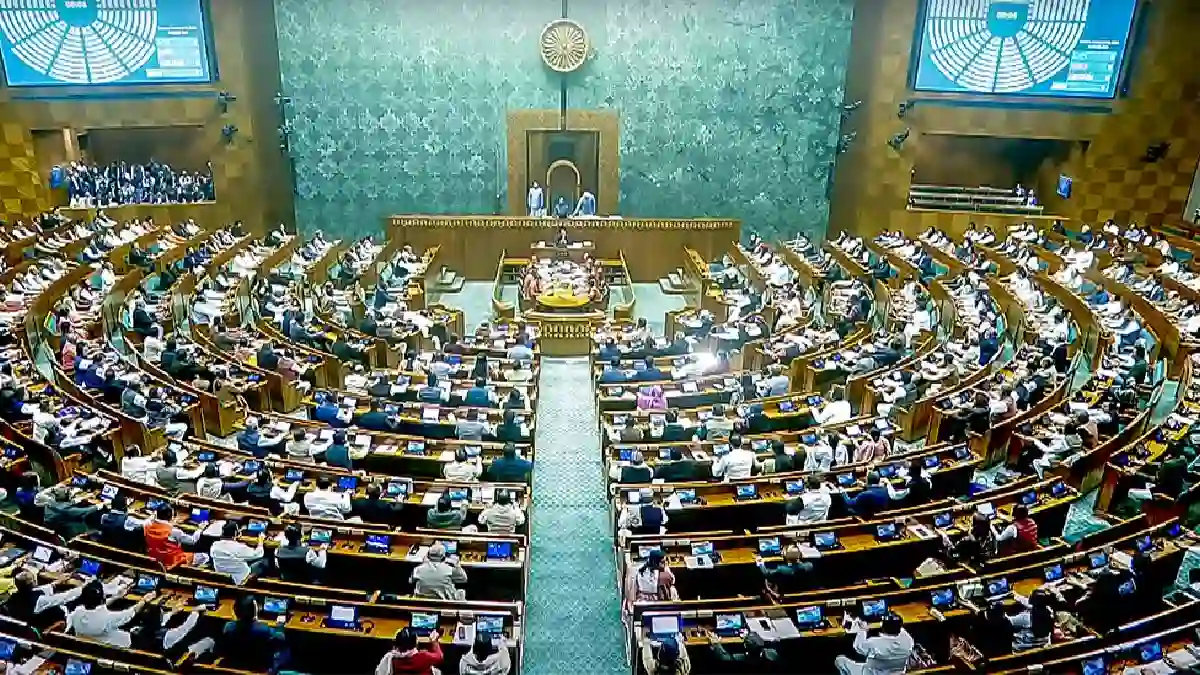
The collapse of the Constitution (131st Amendment) Bill, 2026—aimed at fast-tracking women’s reservation—has triggered political discussion in Guwahati, especially as Assam heads into a crucial election phase. The proposed reform, which was linked to a broader delimitation exercise and expansion of seats, failed to pass in Parliament.
In Guwahati, where political awareness is high and election discourse is active, the development has added another layer to ongoing debates around representation and governance.
The Constitution (131st Amendment) Bill, 2026, aimed at women’s reservation, collapsed in Parliament after being linked to delimitation and seat expansion. The development has sparked political discussion in Guwahati, where representation and electoral reforms remain key concerns ahead of voting.
Debate Gains Attention in Guwahati
The issue has resonated in Guwahati’s political circles, with discussions focusing on:
- Representation of women in legislative bodies
- Impact of delimitation on electoral boundaries
- Timing of such reforms ahead of elections
As Assam’s political hub, Guwahati often reflects national-level debates at the local level.
Government vs Opposition Standpoints
The proposed bill drew contrasting responses:
Government Position:
- Presented as a structural reform
- Linked women’s reservation with delimitation and seat expansion
- Framed as a long-term approach to representation
Opposition View:
- Criticised the linkage with delimitation
- Described it as a political restructuring of power
- Raised concerns over timing and intent
These differing perspectives have shaped the current political narrative.
What Delimitation Means for Guwahati
The inclusion of delimitation in the proposal has raised specific questions for Guwahati:
- Possible redrawing of constituency boundaries
- Changes in urban representation
- Impact on existing voter demographics
Any such exercise could directly affect constituencies in and around the city.
Why This Matters for Guwahati
For voters and political observers in Guwahati, the issue is significant because:
- It relates to women’s political representation
- It may influence future electoral structures
- It adds to ongoing election discussions in the city
Urban constituencies often see higher engagement with such policy-level developments.
What Happens Next
- The bill will not move forward in its current form
- Political debate around women’s reservation is likely to continue
- Future proposals may revisit the issue without linking it to delimitation
Frequently Asked Questions
Q. What was the Constitution (131st Amendment) Bill, 2026?
It was a proposed law aimed at fast-tracking women’s reservation in legislative bodies, linked with delimitation and seat expansion.
Q. Why is it relevant for Guwahati?
Any delimitation or change in representation could directly impact constituencies and political dynamics in Guwahati.