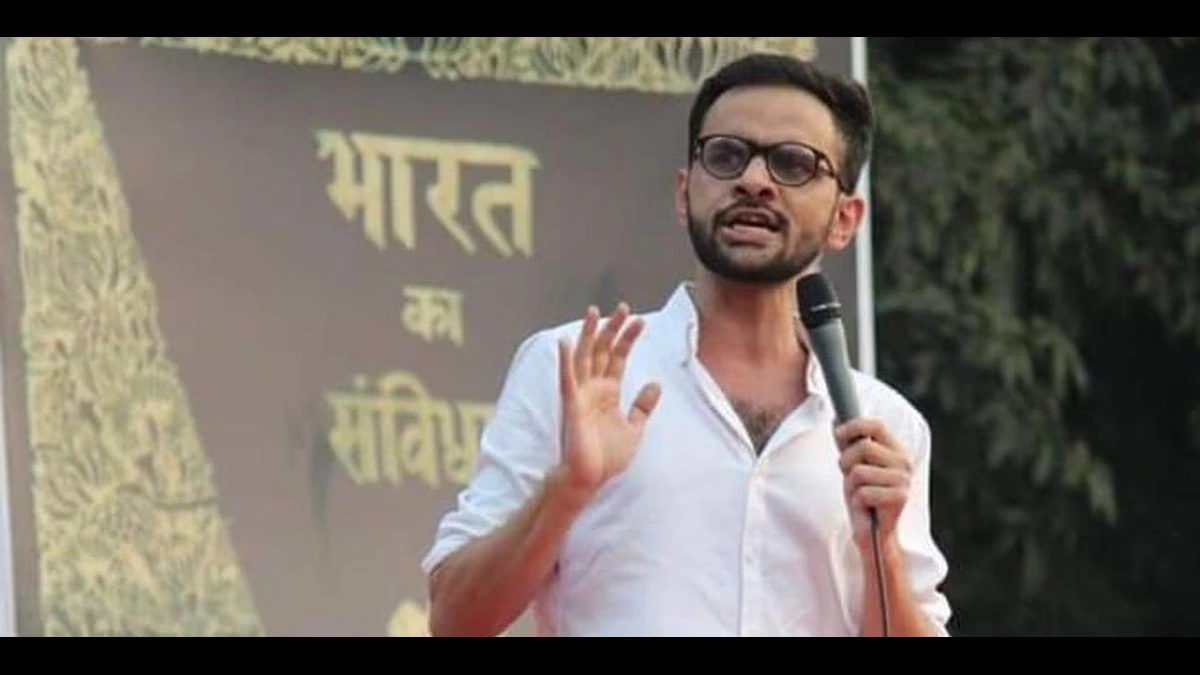
The Delhi High Court on Friday, May 22, granted three days’ interim bail to former JNU student leader Umar Khalid in the 2020 northeast Delhi riots larger conspiracy case.
A division bench of Justice Prathiba M Singh and Justice Madhu Jain allowed Khalid’s temporary release from June 1 to June 3, taking what the court described as an “empathetic view” of the circumstances linked to his mother’s surgery.
Umar Khalid has been granted three days’ interim bail by the Delhi High Court from June 1 to June 3 in the 2020 northeast Delhi riots conspiracy case. The relief was granted to allow him to meet his mother ahead of her surgery, after a trial court had rejected his request for 15 days’ temporary release.
For Guwahati, the case continues to draw attention because the 2020 Delhi riots case is linked to the wider national debate around the Citizenship Amendment Act. Assam, including Guwahati, had witnessed major anti-CAA protests in 2019, making developments connected to CAA-era cases a matter of continued public interest in the state.
Khalid had approached the High Court seeking interim bail after a trial court rejected his plea on May 19. He had sought 15 days’ temporary release from May 22 to June 5 to attend the Chehlum ritual of his uncle and to take care of his mother, who is scheduled to undergo surgery.
The High Court granted him relief only for three days. Reports said the court noted that the temporary release was being allowed to enable him to spend time with his mother, while also recording that his regular bail plea had earlier been rejected by the Supreme Court.
Khalid has been in judicial custody since September 2020 in the larger conspiracy case linked to the northeast Delhi riots. The case has been registered under the Unlawful Activities (Prevention) Act, commonly known as UAPA.
The prosecution has alleged that the violence was part of a pre-planned conspiracy connected to protests against the Citizenship Amendment Act and the proposed National Register of Citizens. Khalid has denied the allegations. The February 2020 riots in northeast Delhi left 53 people dead and more than 700 injured.
In Guwahati, the legal development is being followed more as a national civil liberties and legal process issue than as a direct local law-and-order matter. Assam’s own experience with CAA-related protests gives the case added relevance for students, activists, lawyers, political observers, and citizens who followed the 2019–2020 protests closely.
The High Court’s order is interim in nature and does not decide the merits of the case. Khalid’s release is limited to the period from June 1 to June 3 and is subject to strict conditions imposed by the court.
The next step will be Khalid’s temporary release during the permitted period, followed by his return to custody as directed. The larger case and related bail proceedings will continue separately before the courts.
For Guwahati readers, the key point is that this is not an acquittal or regular bail. It is a short, conditional interim relief granted by the Delhi High Court on humanitarian grounds, while the 2020 Delhi riots conspiracy case remains under judicial consideration.
Key Details
| Point | Details |
|---|---|
| Person | Umar Khalid |
| Court | Delhi High Court |
| Order date | May 22 |
| Interim bail period | June 1 to June 3 |
| Reason cited | Mother’s surgery and family circumstances |
| Case | 2020 northeast Delhi riots larger conspiracy case |
| Law involved | UAPA |
| Status | Temporary relief; main case continues |
Frequently Asked Questions
Why did the Delhi High Court grant interim bail to Umar Khalid?
The Delhi High Court granted Umar Khalid three days’ interim bail to allow him to meet his mother, who is scheduled to undergo surgery. The court said it was taking an empathetic view of the circumstances.
Is Umar Khalid permanently out on bail?
No. The order grants only temporary interim bail from June 1 to June 3. It does not amount to regular bail or acquittal.
Why is this case relevant to Guwahati?
The case is linked to the wider national debate around CAA-related protests. Since Guwahati and Assam saw major anti-CAA protests in 2019, developments in related national cases remain of public interest in the region.
What is the 2020 northeast Delhi riots case?
The case concerns allegations of a larger conspiracy behind the February 2020 northeast Delhi riots, which occurred amid protests over the Citizenship Amendment Act and the proposed NRC. Khalid has denied the allegations.