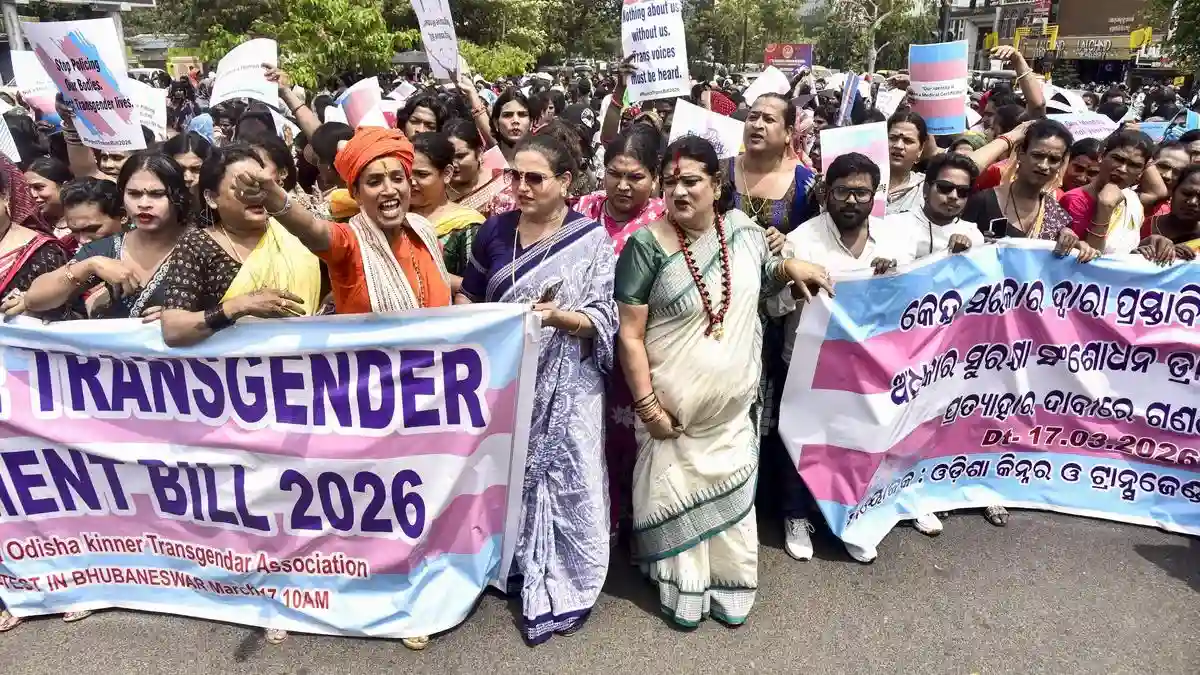
The Lok Sabha on March 24 passed the Transgender Persons (Protection of Rights) Amendment Bill, 2026, triggering strong reactions across the country, including in Guwahati, where activists and community members are closely watching its implications.
The legislation introduces significant changes to the 2019 law governing transgender rights, particularly around identity recognition and certification processes.
The Transgender Persons Amendment Bill 2026, passed by the Lok Sabha, introduces stricter definitions and certification rules for transgender identity. In Guwahati, the move has raised concerns among community members over reduced recognition of self-identity and increased administrative control.
Key Changes in the New Law
The amendment introduces several major changes:
- Redefinition of “transgender” based on biological criteria
- Removal of self-perceived gender identity recognition
- Introduction of medical boards for identity verification in certain cases
- District magistrates to issue identity certificates
- Increased reporting requirements for gender-related medical procedures
These provisions mark a shift from earlier frameworks that emphasised self-identification.
Concerns Raised in Guwahati
In Guwahati, members of the transgender community and civil society groups have expressed concern over:
- Reduced recognition of self-identity
- Possible exclusion of certain gender identities
- Increased dependence on medical and administrative approval
- Barriers to accessing official identity documents
Community voices suggest that the changes may complicate an already challenging process of recognition and inclusion.
Opposition and National Reaction
Opposition parties criticised the bill, questioning:
- The need for amendments
- The speed of its passage
- Lack of detailed parliamentary scrutiny
Several MPs staged a walkout, calling the provisions regressive and demanding further review.
Why This Matters for Guwahati
For Guwahati, the issue is closely tied to ongoing conversations around inclusion and rights of marginalised communities.
The bill could impact:
- Access to government schemes and welfare
- Legal recognition of identity
- Everyday interactions with institutions
Local advocacy groups may play a key role in interpreting and responding to these changes.
What Happens Next
The bill will now move through the remaining legislative process before implementation. Its real-world impact will depend on how rules are framed and applied at the state and district levels.
In Guwahati, community members and organisations are expected to continue discussions and monitor developments closely.
Frequently Asked Questions
Q1. What is the Transgender Amendment Bill 2026?
It is a law that changes how transgender identity is defined and regulated in India.
Q2. Why are people concerned about it?
Because it limits self-identification and introduces stricter certification processes.
Q3. How does this affect Guwahati?
It may impact access to identity documents, welfare schemes, and recognition for the transgender community in the city.