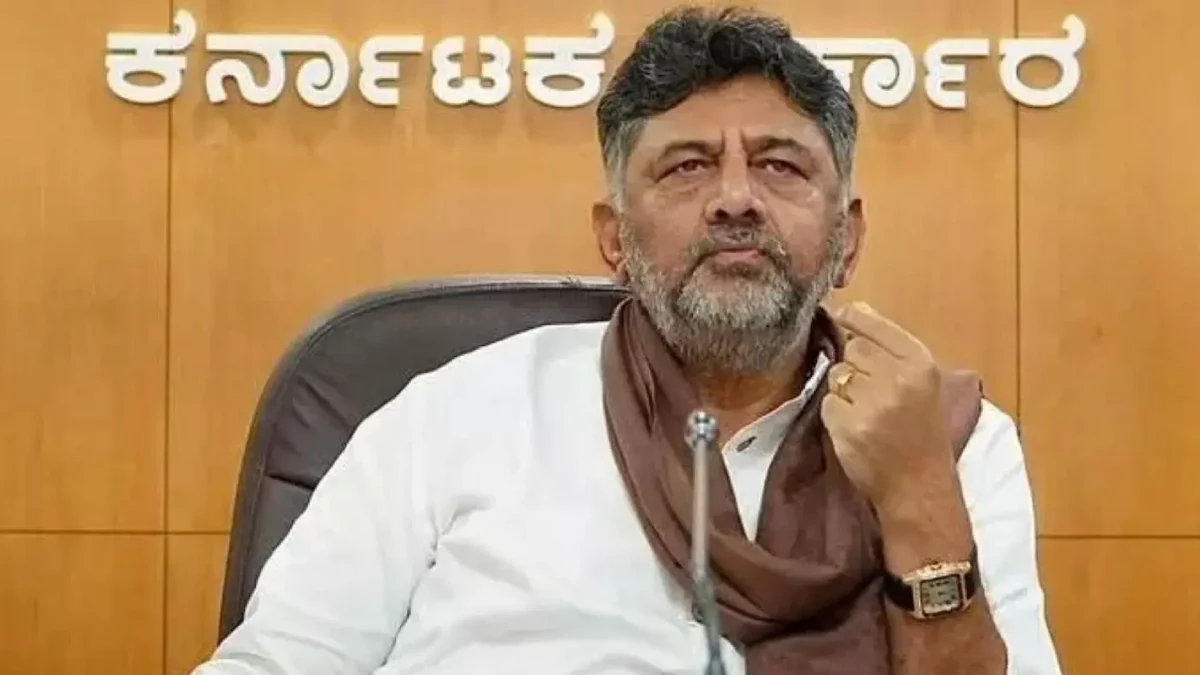
The political pitch in Guwahati intensified on March 28 as D. K. Shivakumar launched a sharp attack on the BJP-led government in Assam ahead of the Assembly elections.
Addressing the media in Guwahati, the senior Congress leader raised concerns over governance, employment, and the condition of tea communities in the state.
Congress leader DK Shivakumar, speaking in Guwahati, criticised the Assam government over unemployment, tea worker issues, and alleged unfulfilled promises ahead of the 2026 Assembly elections.
Key Issues Raised in Guwahati
Shivakumar highlighted several concerns:
- Unemployment:
Alleged lack of sufficient job opportunities for youth - Tea tribe issues:
Concerns over wages and the welfare of tea garden workers - Governance:
Claims of unfulfilled promises by the ruling government
Sharp Political Remarks
In a pointed comment, Shivakumar questioned the BJP’s organisational strength, stating that leaders joining the party are portrayed as “untainted,” comparing it to taking a dip in sacred rivers like the Brahmaputra.
The remark added a sharper tone to the ongoing campaign narrative in Guwahati.
Congress Steps Up Campaign in Guwahati
The presence of national-level Congress leaders in Guwahati signals:
- Intensified campaigning in key urban centres
- Focus on highlighting governance issues
- Efforts to consolidate voter support ahead of polling
Guwahati remains a central stage for political messaging in Assam.
Why This Matters for Guwahati
As the state’s political and administrative hub, Guwahati plays a crucial role in shaping election discourse.
Issues raised here often:
- Influence wider voter sentiment
- Set the tone for statewide campaigns
- Highlight urban and regional concerns
What Happens Next
With polling scheduled for April 9, campaign activity in Guwahati is expected to increase further, with leaders from multiple parties addressing voters across the city.
Frequently Asked Questions
Q1. Where did DK Shivakumar make these remarks?
In Guwahati, during a media interaction.
Q2. What issues did he raise?
Unemployment, tea worker welfare, and governance concerns.
Q3. Why is Guwahati important in this context?
It is a key political hub where major campaign narratives are shaped.