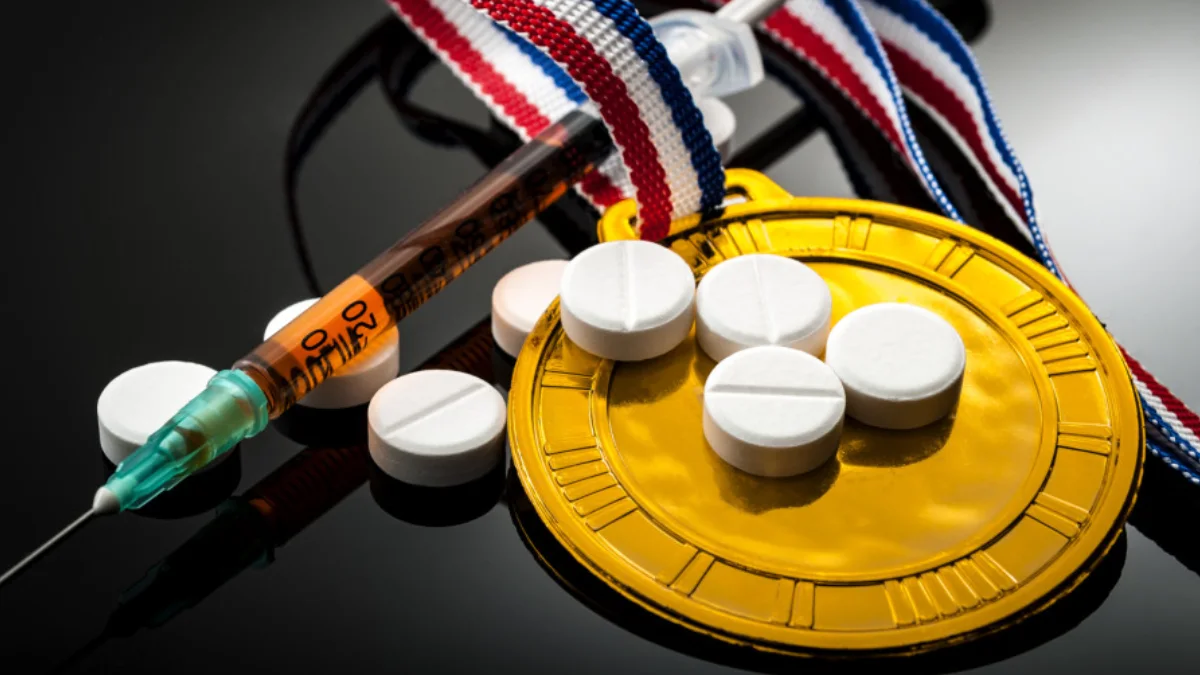
The Union Government has proposed amendments to the National Anti-Doping Act, 2022, to make enforcement stricter against the trafficking, distribution, and misuse of banned performance-enhancing substances in sports.
The proposed changes include criminal liability for those who supply, promote, administer, or facilitate prohibited substances and methods used for doping. The draft has been uploaded on the Ministry of Youth Affairs and Sports website for public feedback till June 18.
The proposed anti-doping amendments seek to criminalise the trafficking and distribution of banned substances to athletes, with penalties of up to five years in jail and fines of up to ₹2 lakh. For Guwahati’s athletes, coaches, gyms, sports academies, and medical professionals, the changes could mean stricter legal accountability around performance-enhancing drugs.
For Guwahati, the proposed amendments are significant because the city is one of Assam’s key sports and training hubs. Athletes from Guwahati and the wider Northeast train across stadiums, academies, gyms, coaching centres, and institutional sports facilities before competing in district, state, national, and university-level events.
The revised framework proposes the insertion of a new Chapter VIA titled “Offences and Penalties” in the anti-doping law. This chapter seeks to define doping-related offences more clearly and create stronger legal grounds for prosecution.
The proposal covers individuals and entities involved in trafficking, administration, promotion, or illegal handling of prohibited substances and doping methods. It also proposes action against companies and organisations involved in such activities.
A major provision is the proposed punishment for suppliers of banned substances. Reports citing the draft proposal said offenders may face imprisonment of up to five years and fines of up to ₹2 lakh. The provisions may also apply to medical practitioners who knowingly prescribe or facilitate prohibited drugs for doping.
The amendments also seek to strengthen search and seizure powers, mandatory reporting requirements, and information-sharing mechanisms between enforcement agencies. These provisions are intended to help authorities detect and act against doping networks more effectively.
Sports Minister Mansukh Mandaviya said the amended bill will be placed before Parliament in the upcoming monsoon session after public feedback is reviewed. The consultation period allows athletes, sports bodies, coaches, medical professionals, and other stakeholders to submit suggestions before the bill is finalised.
In Guwahati, the proposed changes may be especially relevant for young athletes and fitness communities that rely on supplements, recovery products, and medical advice during training. The law does not target normal nutrition or legal fitness supplements, but it may create stricter consequences around banned substances, illegal performance-enhancing drugs, and those who supply or promote them.
The development also puts responsibility on coaches, sports academies, gym owners, and medical professionals to maintain clear records and avoid recommending or facilitating any prohibited substance. Athletes may also need to be more cautious before using medicines, injections, supplements, or recovery products without verification.
For Assam’s sports ecosystem, the amendment could help strengthen trust in competitive performance. It may also increase awareness among players preparing for state-level competitions, national championships, university games, and recruitment-linked sports trials.
The next step is the public feedback process, which remains open until June 18. After that, the Ministry is expected to review suggestions before placing the amended bill before Parliament during the monsoon session.
For Guwahati’s sports community, the proposal matters because it moves anti-doping enforcement beyond athlete punishment and towards those who supply, enable, or profit from banned substances.
Key Proposed Changes
| Area | Proposed Change |
|---|---|
| Law | National Anti-Doping Act, 2022 |
| New chapter | Chapter VIA: Offences and Penalties |
| Focus | Trafficking, supply and misuse of banned substances |
| Penalty | Up to 5 years’ imprisonment and fine up to ₹2 lakh |
| Applies to | Suppliers, facilitators, companies and medical practitioners |
| Public feedback deadline | June 18 |
| Next step | Bill expected in Parliament’s monsoon session |
Frequently Asked Questions
What changes are proposed in the anti-doping law?
The Union Government has proposed stricter provisions against the trafficking, distribution, administration, and facilitation of banned performance-enhancing substances used in sports.
What punishment has been proposed for banned substance suppliers?
The proposed amendments include imprisonment of up to five years and fines of up to ₹2 lakh for those involved in supplying or facilitating prohibited substances.
Why is this important for Guwahati athletes?
Guwahati has a growing sports and fitness ecosystem. The proposed changes may affect athletes, coaches, gyms, academies, and medical professionals by increasing legal accountability around banned substances.
What is the deadline for public feedback?
Stakeholders can submit feedback on the proposed amendments until June 18 through the consultation process on the Ministry of Youth Affairs and Sports website.