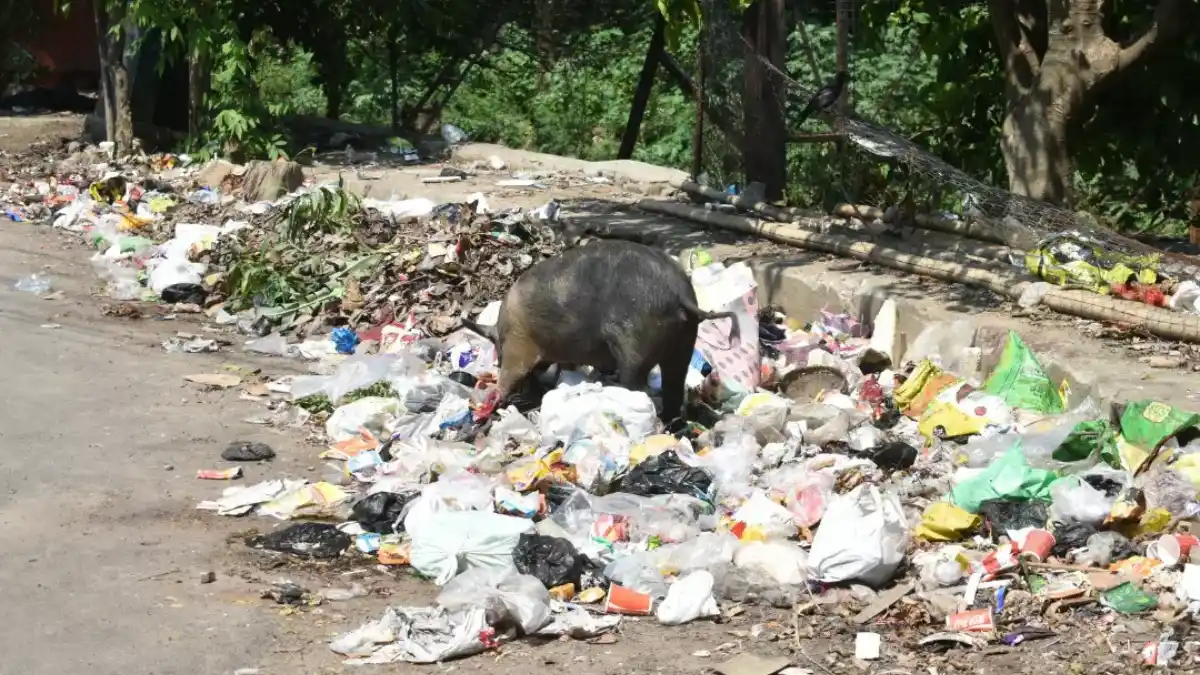
With Guwahati continuing to struggle with waste disposal, overflowing garbage points, and drainage-related pollution, the Assam government has intensified enforcement of scientific waste management systems across the state.
On May 19, Assam Chief Secretary Ravi Kota directed district administrations and civic bodies to strengthen implementation of the Solid Waste Management (SWM) Rules, 2026, with a strong focus on monitoring, segregation and scientific disposal practices.
The Assam government has directed stricter enforcement of waste management rules, with Guwahati expected to strengthen garbage segregation, scientific disposal and monitoring systems.
Guwahati Under Increasing Waste Pressure
As Assam’s largest and fastest-growing city, Guwahati has been facing mounting pressure related to:
- Rising waste generation
- Overflowing dumping points
- Drain blockage caused by garbage
- Waterlogging linked to plastic waste
The latest directives are expected to directly impact how waste management is handled in Guwahati in the coming months.
Chief Secretary Reviews Waste Management
During a video conference with:
- District Commissioners
- Urban departments
- Concerned officials
Chief Secretary Ravi Kota reviewed the implementation of the Solid Waste Management Rules and instructed authorities to ensure strict compliance with:
- Environmental safeguards
- Scientific waste disposal norms
- Supreme Court directions related to waste management
Focus Areas Identified
The government has asked districts and urban authorities to improve:
- Waste segregation at source
- Door-to-door garbage collection
- Decentralised waste processing systems
- Scientific remediation of legacy dump sites
For Guwahati, these issues remain particularly critical due to the city’s expanding population and urban density.
Bulk Waste Generators to Be Monitored
District administrations have also been instructed to identify and monitor:
- Markets
- Hospitals
- Educational institutions
- Industries
- Government establishments
- Tea gardens
- Large commercial units
These categories are considered major contributors to urban waste generation.
Why This Matters for Guwahati
In Guwahati, improper waste disposal has frequently been linked to:
- Drainage blockage
- Artificial flooding during rainfall
- Public health concerns
- Encroachment around dumping zones
Residents across several localities have repeatedly raised concerns over delayed garbage clearance and poor waste segregation practices.
Special Monitoring Cells Reviewed
The Chief Secretary also reviewed the functioning of district-level Special Cells responsible for monitoring waste management implementation.
Officials were instructed to:
- Submit regular progress reports
- Strengthen enforcement mechanisms
- Improve accountability systems
Tourist and High-Footfall Areas Under Focus
Authorities were specifically directed to prioritise waste management in:
- Tourist destinations
- Pilgrim centres
- High-footfall public spaces
In Guwahati, this could include areas around:
- Kamakhya Temple
- Riverfront zones
- Markets and commercial hubs
- Public transport corridors
Need for Behavioural Change
Apart from infrastructure improvements, the government also stressed:
- Public awareness campaigns
- Grievance redressal systems
- Citizen accountability
Officials believe long-term success will depend not only on civic agencies but also on public participation.
Guwahati’s Larger Urban Challenge
Urban experts have long argued that Guwahati’s waste management problems are deeply linked to:
- Rapid urbanisation
- Weak segregation practices
- Poor coordination between agencies
- Growing plastic consumption
The latest push is being viewed as an attempt to create a more structured and scientific system.
What Happens Next
District administrations and civic bodies are now expected to intensify monitoring and enforcement efforts.
In Guwahati, residents will likely see increased focus on:
- Garbage segregation
- Waste collection systems
- Monitoring of large institutions
- Scientific disposal practices
as the city attempts to manage its growing urban waste burden.
Frequently Asked Questions
What did the Assam government direct?
The government directed stricter enforcement of scientific waste management systems across the state.
Why is this important for Guwahati?
Guwahati faces major challenges related to garbage disposal, drainage blockage and urban waste management.
Who will be monitored under the new push?
Markets, hospitals, schools, industries and other large waste generators will face stricter monitoring.