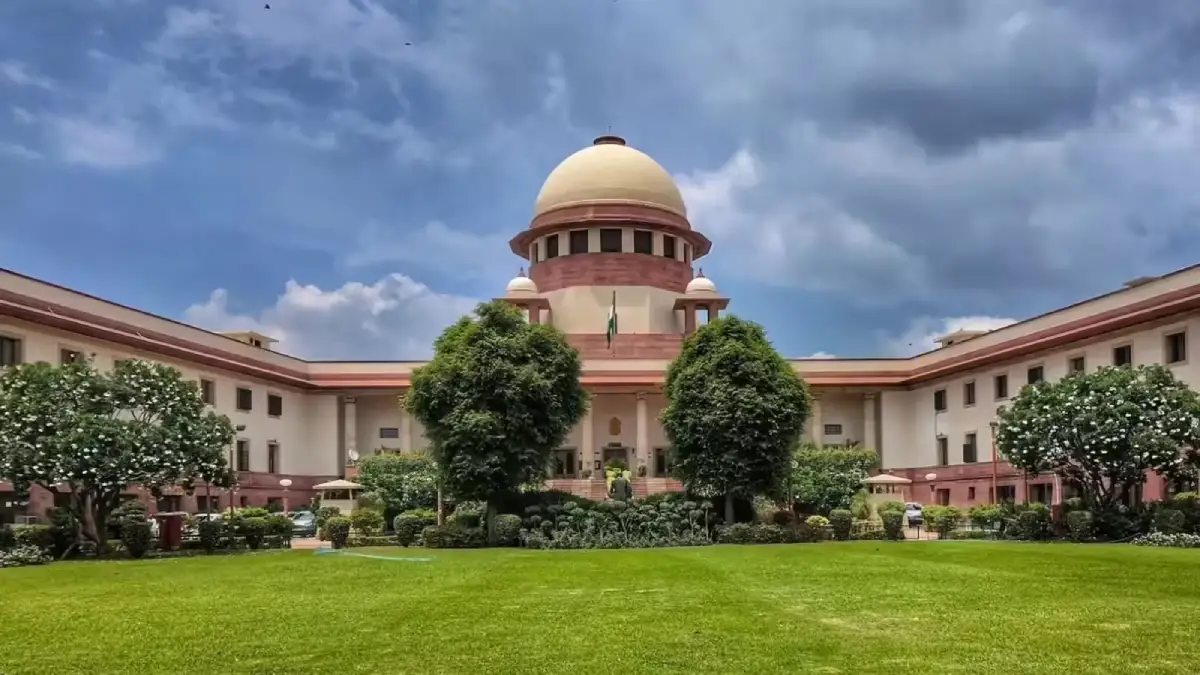
The Supreme Court of India on April 7 began final hearings on a set of petitions related to alleged discrimination against women at religious places, including the Sabarimala Temple. The development has drawn attention in Guwahati, where discussions around faith, tradition, and constitutional rights continue across diverse religious communities.
A nine-judge Constitution bench led by Chief Justice Surya Kant is examining key questions related to religious freedom under Articles 25 and 26 of the Constitution. These provisions guarantee the right to practise and manage religious affairs, but the case also tests how these rights align with principles of equality.
The Supreme Court on April 7 began hearing a series of cases on women’s entry into religious places, including Sabarimala. The nine-judge bench will examine constitutional questions on religious freedom and gender equality, with the outcome expected to have implications across India, including Guwahati’s diverse religious landscape.
Key Constitutional Questions Under Review
The bench is addressing broader issues that extend beyond a single religious practice.
Among the questions being examined:
- Whether women can be denied entry to certain religious spaces
- The scope of religious autonomy under Articles 25 and 26
- The legality of practices such as:
- Excommunication by religious bodies
- Restrictions in Parsi fire temples
- Entry rules in mosques
- Concerns around female genital mutilation
These questions are expected to set a precedent for multiple faiths.
Government’s Position Presented in Court
During the opening arguments, Solicitor General Tushar Mehta reportedly argued that:
- Restrictions based on gender or age do not automatically amount to discrimination
- Matters of social reform should primarily be handled by the legislature
- Judicial intervention in religious practices should remain limited
These arguments form a key part of the government’s position in the case.
Background: Sabarimala Judgment
The current hearing traces back to earlier Supreme Court rulings:
- 2018: A five-judge bench allowed entry of women of menstruating age into the Sabarimala Temple, declaring the restriction unconstitutional
- 2019: A larger bench referred the issue, along with similar questions from other religions, to a nine-judge Constitution bench
The ongoing hearings aim to provide a final and authoritative interpretation.
Why This Matters for Guwahati
Guwahati, known for its diverse religious practices and institutions, closely follows such constitutional developments.
The outcome could:
- Influence religious practices and access norms across communities
- Shape conversations around gender equality in faith spaces
- Impact of legal interpretations affecting temples, mosques, and other institutions
The debate is particularly relevant in a city where traditional beliefs and modern legal frameworks often intersect.
What Happens Next
- The Supreme Court will continue detailed hearings on the matter
- Arguments from multiple stakeholders will be presented
- A final judgment is expected to clarify the balance between religious freedom and equality rights
Frequently Asked Questions
What is the Supreme Court hearing about?
The Court is examining whether restricting women’s entry into certain religious places violates constitutional rights related to equality and religious freedom.
Why is this important for Guwahati?
As a city with diverse religious communities, any ruling could influence how religious practices and access rules are interpreted locally.