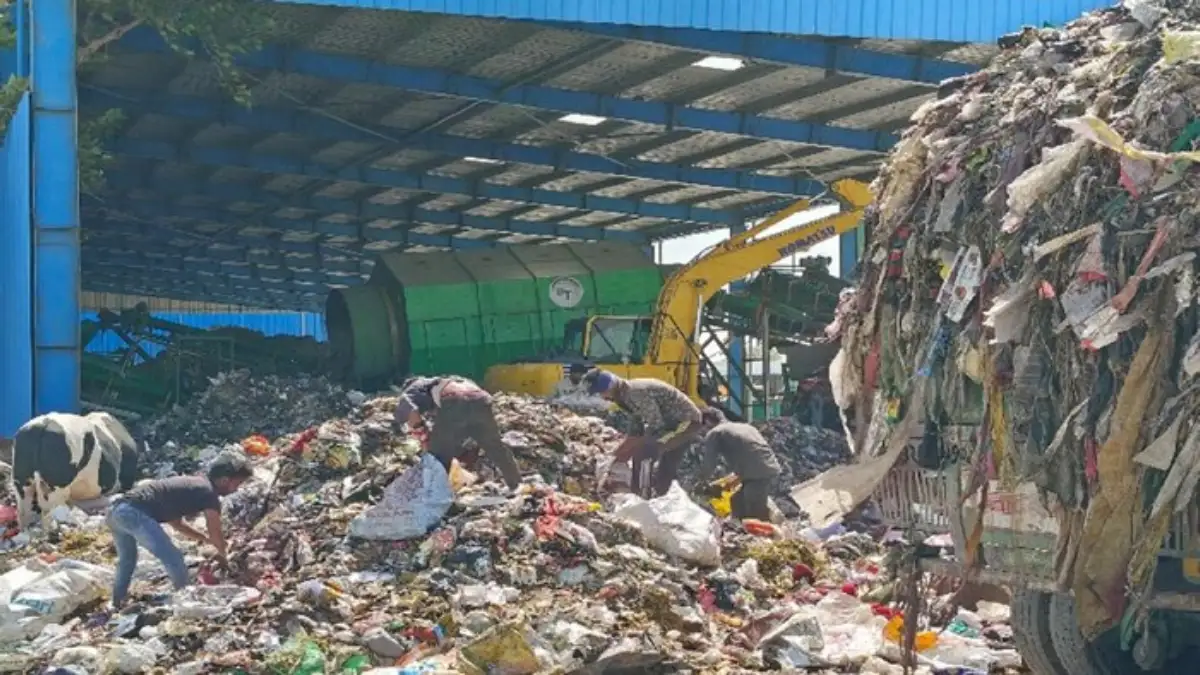
The Ministry of Environment, Forest, and Climate Change has announced that the Solid Waste Management Rules, 2026, will come into force from April 1, introducing stricter waste handling and segregation norms across India, including Guwahati.
The update was shared in the Lok Sabha through a written reply by Union Minister of State Kirti Vardhan Singh, following the notification of the rules in the Official Gazette on January 27, 2026.
The Solid Waste Management Rules 2026 will take effect from April 1, introducing mandatory four-way waste segregation, stricter responsibilities for bulk waste generators, and improved monitoring systems. The rules will impact cities like Guwahati by strengthening waste collection, processing, and environmental accountability.
What Changes for Guwahati Residents
For households and businesses in Guwahati, the new rules make waste segregation at source mandatory.
Waste must now be divided into four categories:
- Wet waste
- Dry waste
- Sanitary waste
- Special care waste
This is expected to improve waste collection efficiency and reduce pressure on dumping sites in and around the city.
Bulk Waste Generators Face New Responsibility
A key addition in the new rules is the concept of Extended Bulk Waste Generator Responsibility.
Large waste generators in Guwahati, such as:
- Apartment complexes
- Hotels and restaurants
- Institutions and commercial establishments
will now be responsible for ensuring proper collection, transport, and environmentally safe processing of their waste.
Online Monitoring System to Track Waste
The government will introduce a centralised online portal to monitor every stage of waste management, from collection to disposal.
For Guwahati, this could mean:
- Better tracking of municipal waste systems
- Increased accountability for local authorities
- Data-driven improvements in waste handling
Push for Alternative Waste Processing
The rules mandate a gradual increase in the use of Refuse Derived Fuel (RDF) by industries, including cement and waste-to-energy plants.
The substitution level will increase from 5% to 15% over six years, encouraging better utilisation of waste materials instead of landfilling.
Land Allocation and Legacy Waste Cleanup
The updated framework includes:
- Faster land allocation for waste processing facilities
- Time-bound plans to clear legacy waste dumps
- Stricter limits on landfilling
For Guwahati, where landfill management has been a recurring concern, these measures could play a key role in improving long-term waste infrastructure.
Special Provisions for Regions Like Assam
The rules also include specific provisions for hilly regions, which are relevant to parts of Assam.
These provisions aim to ensure that waste management strategies are adapted to local geographical challenges.
Polluter Pays Principle Introduced
An environmental compensation mechanism has been introduced under the “polluter pays” principle.
This means individuals or entities failing to comply with waste rules may face penalties, encouraging stricter adherence in cities like Guwahati.
Why This Matters for Guwahati
With rapid urban growth and increasing waste generation, Guwahati has been facing challenges in waste management.
The new rules could:
- Improve cleanliness and public health
- Reduce landfill burden
- Strengthen accountability across stakeholders
What Happens Next
The rules will come into effect from April 1, after which local authorities in Guwahati will begin implementation.
Residents, businesses, and institutions are expected to adapt to the new segregation and compliance requirements in the coming months.
Frequently Asked Questions
1. What are the key changes in the Solid Waste Management Rules 2026?
The new rules mandate four-way waste segregation, introduce responsibility for bulk waste generators, and implement stricter monitoring and penalties.
2. How will these rules affect Guwahati residents?
Residents will need to segregate waste at home and follow stricter disposal practices, while businesses must ensure proper waste management compliance.