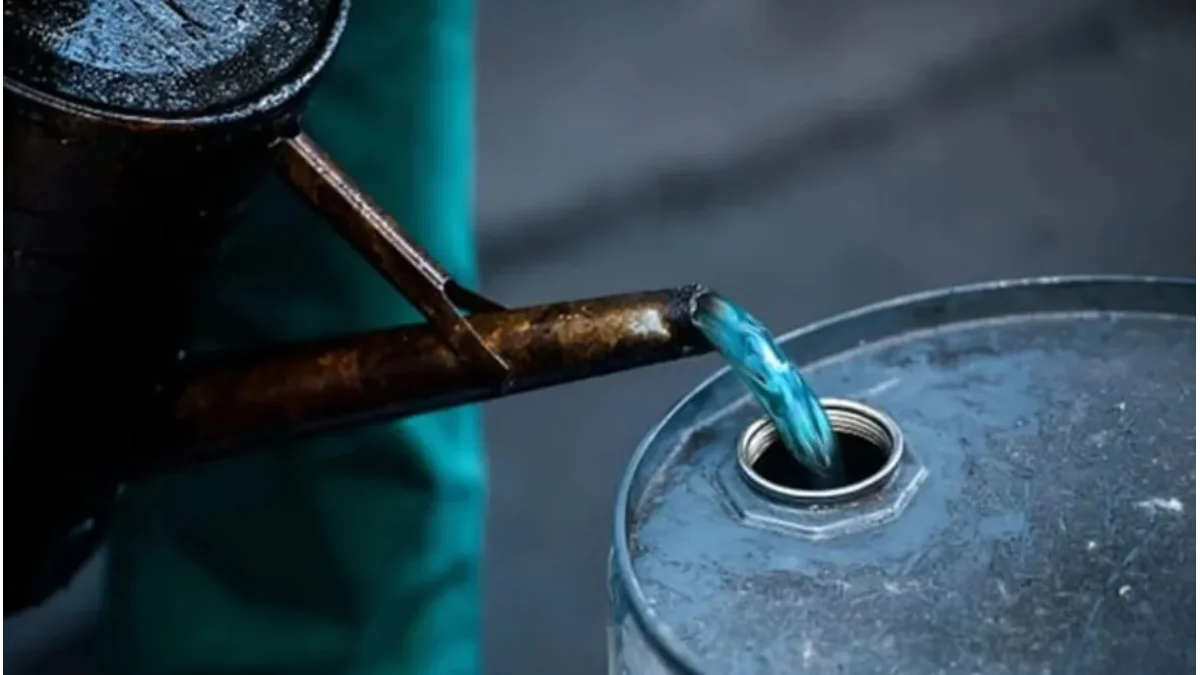
The central government has announced a 60-day temporary allocation of Public Distribution System (PDS) Superior Kerosene Oil (SKO) starting March 30, aiming to ensure uninterrupted access to fuel for essential needs such as cooking and lighting.
The move is expected to benefit households in Assam, including parts of Guwahati and nearby regions where segments of the population still depend on kerosene, particularly in areas with inconsistent access to LPG or electricity.
The central government has introduced a 60-day temporary supply of PDS kerosene starting March 30 to support households across India, including Assam. The measure aims to ensure uninterrupted access to fuel for cooking and lighting, with flexible distribution through state PDS systems and petrol pumps to improve last-mile delivery.
Supply Extended Even to Phase-Out States
The Centre has extended kerosene supply to 21 States and Union Territories that had previously phased out its distribution.
This short-term measure is designed as an emergency response to ensure that vulnerable households continue to have access to basic fuel, especially in regions where alternative energy sources may not be consistently available.
What It Means for Guwahati and Assam
In Assam, while urban areas like Guwahati have largely transitioned to LPG, certain peri-urban and nearby rural pockets still rely on kerosene.
The temporary allocation could help:
- Households facing LPG refill delays
- Low-income families are dependent on subsidised fuel
- Areas with irregular electricity affecting lighting needs
Local authorities will determine how the supply is distributed based on demand and necessity.
Flexible Distribution Through PDS and Petrol Pumps
Under the new arrangement, State governments will receive limited quantities of SKO for distribution through the existing PDS network.
To improve accessibility, the Centre has also allowed petrol pumps to store and distribute restricted quantities of kerosene, which is expected to strengthen last-mile delivery, especially in areas where traditional PDS systems may have limitations.
Focus on Vulnerable Populations
Officials have stated that the primary goal of this temporary reintroduction is to safeguard households that remain dependent on kerosene.
The flexibility given to states is intended to ensure that supply reaches those who need it most, rather than being distributed uniformly.
What Happens After 60 Days
The emergency allocation will remain in effect for 60 days, after which the central government will review the situation.
Based on demand and ground-level feedback, authorities may decide whether to extend, modify, or discontinue the measure.
Why This Matters Now
With rising energy costs and varying access to LPG in certain areas, this move provides short-term relief and ensures continuity in basic household energy needs.
For Assam, including Guwahati’s outskirts, the decision could help bridge temporary gaps in fuel availability and support economically vulnerable communities.
Frequently Asked Questions
1. Why has the government reintroduced kerosene supply temporarily?
The government has introduced a 60-day kerosene supply to ensure uninterrupted access to fuel for cooking and lighting, especially for households still dependent on it.
2. Will Guwahati residents receive kerosene through PDS?
While urban Guwahati has largely shifted to LPG, some households in surrounding and low-income areas may receive kerosene based on local government allocation and demand.