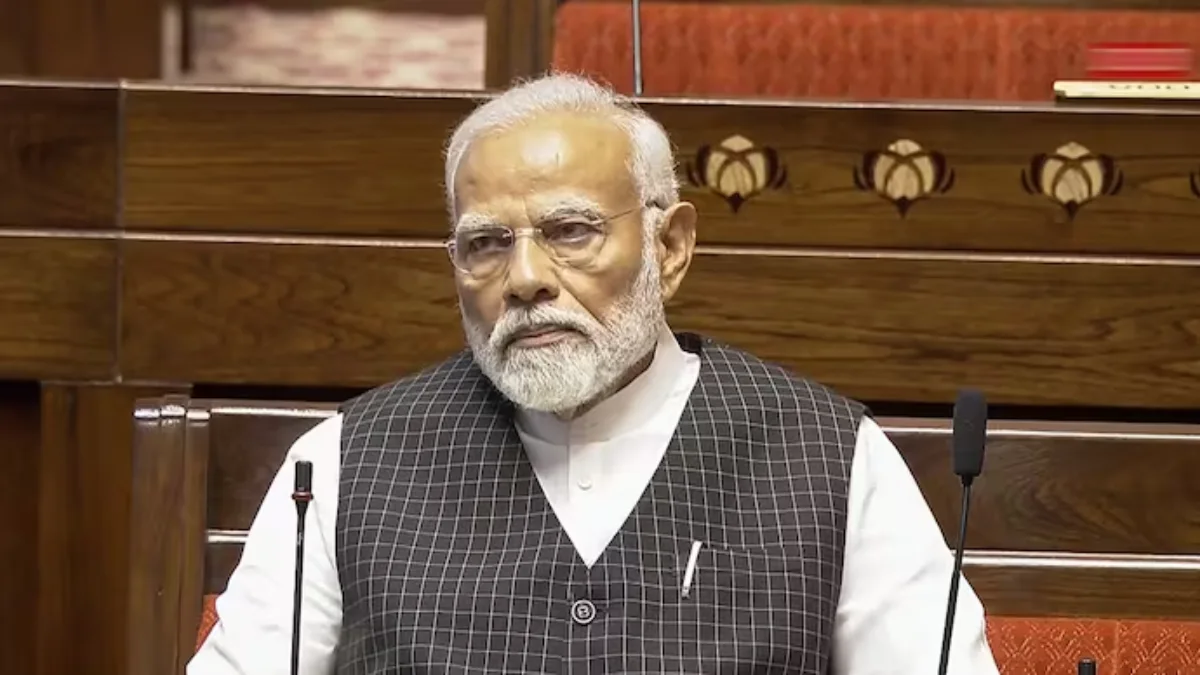
Prime Minister Narendra Modi on March 24 addressed the Rajya Sabha, highlighting the growing impact of the West Asia conflict on India’s energy security, trade routes, and citizens abroad—developments that could directly affect daily life in Guwahati.
He noted that the ongoing conflict, now extending beyond three weeks, has triggered a global energy crisis, disrupting the supply of key commodities such as petrol, diesel, gas, and fertilisers.
Prime Minister Narendra Modi said the West Asia conflict is disrupting global energy supplies and trade routes, which may lead to fuel price increases and supply challenges in cities like Guwahati. The government is working to secure alternative routes and maintain stability.
Why Guwahati Could Feel the Impact
Although the conflict is geographically distant, its effects may reach Guwahati through:
- Fuel price increases are affecting transport and daily commuting
- Rising cost of goods due to higher logistics expenses
- Impact on LPG supply, affecting households and restaurants
- Fertiliser shortages are influencing agriculture in Assam
As a major urban centre, Guwahati is closely linked to national supply chains and global price movements.
Strategic Concerns Highlighted
The Prime Minister pointed to the importance of the Strait of Hormuz, a key energy corridor now facing disruptions.
He stated that:
- The movement of ships has become more difficult
- Supply chains are under pressure
- Indian crew members stranded in the region remain a concern
The government is reportedly working through diplomatic channels to ensure continuity of imports.
Focus on Indian Citizens Abroad
Modi highlighted that nearly one crore Indians living in Gulf countries are a priority. The government is maintaining contact with affected regions to ensure their safety.
For families in Guwahati with relatives working abroad, the situation remains a matter of concern.
India’s Preparedness
The Prime Minister noted that India has diversified its energy sources over the past decade:
- Oil, LNG, and LPG imports now come from 41 countries
- Earlier dependence was limited to around 27 countries
This diversification is expected to help reduce the impact of disruptions from any single region.
What Happens Next
As the global situation evolves, Guwahati residents may gradually see changes in fuel prices and market costs. Authorities are likely to monitor the situation closely and take steps to manage supply and pricing pressures.
For now, citizens are advised to stay informed and avoid panic, as the government continues efforts to stabilise supply chains.
Frequently Asked Questions
Q1. How does the West Asia conflict affect Guwahati?
It can lead to higher fuel prices, increased cost of goods, and supply disruptions.
Q2. What did the Prime Minister say about energy supply?
He said the government is working to secure alternative routes and ensure continuity.
Q3. Why is the Strait of Hormuz important?
It is a key global oil shipping route, and disruptions there affect energy supply worldwide.