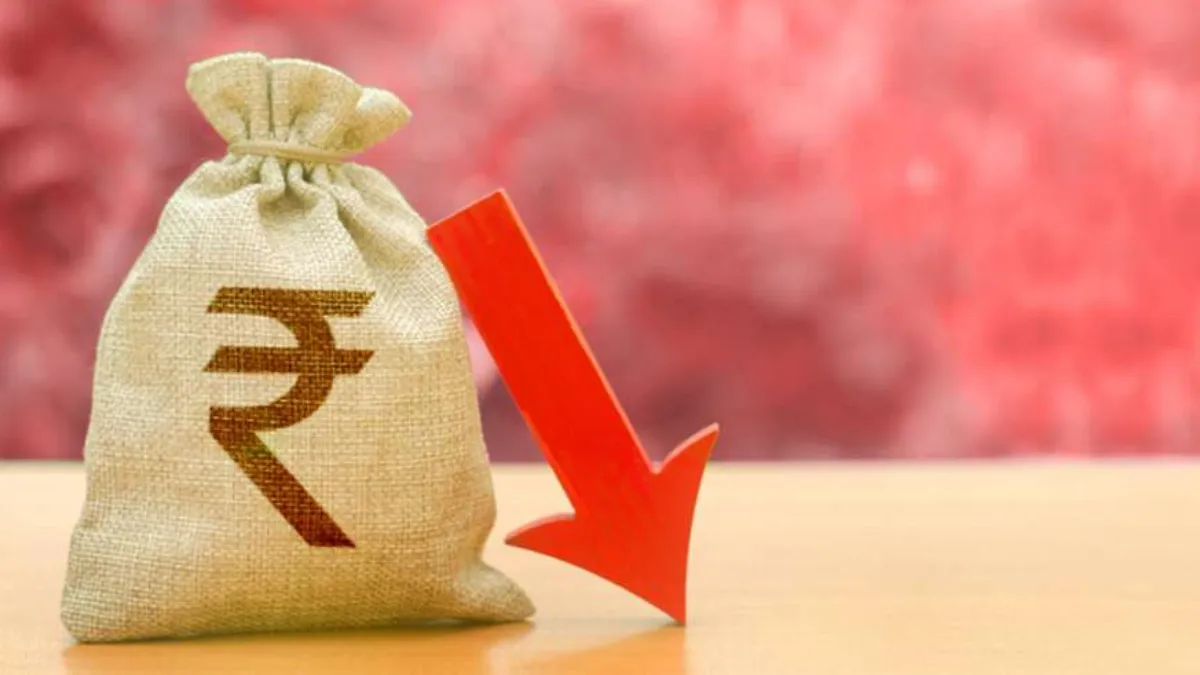
Rupee Falls to Record Low; Guwahati Businesses Brace for Cost Pressure
The Indian rupee slipped to a historic low against the US dollar on Monday, March 9, breaching the ₹92 mark for the first time, a development that could have ripple effects on fuel prices, transport costs, and imported goods in cities like Guwahati.
In early trade, the rupee weakened to around ₹92.5 per US dollar, marking its lowest level on record and extending a downward trend that has unsettled currency markets.
The Indian rupee fell to a record low of around ₹92.5 against the US dollar on March 9, pressured by rising crude oil prices and global geopolitical tensions. The depreciation could increase import costs for fuel and goods, potentially affecting businesses and consumers in cities such as Guwahati.
Rising Oil Prices Put Pressure on the Rupee
Market analysts say the sharp depreciation is closely linked to the surge in global crude oil prices, which recently crossed $100 per barrel amid escalating tensions in the Middle East.
India is among the largest importers of crude oil, meaning higher oil prices lead to increased demand for US dollars to pay for imports, putting additional pressure on the rupee.
Traders said the combination of spiking oil prices and global market uncertainty has triggered stronger demand for the dollar in foreign exchange markets.
Why This Matters for Guwahati
For residents and businesses in Guwahati, movements in the rupee often translate into changes in the cost of everyday goods and services.
A weaker rupee can affect the city in several ways:
- Higher fuel prices for petrol and diesel
- Increased transport and logistics costs
- More expensive imported electronics and machinery
- Possible rise in food and commodity prices due to transportation costs
Guwahati, being a major commercial hub in the Northeast, depends heavily on fuel and imported goods transported from other parts of India, making it sensitive to currency fluctuations.
Rupee Weakening Trend Continues
The rupee has been under pressure for several months.
Earlier this year:
- The rupee fell below ₹91 in January
- It crossed ₹92 earlier in March
- Monday’s decline pushed it to a record low near ₹92.5
Analysts say this downward trend reflects growing external pressures on India’s currency.
Global Factors Affecting the Currency
Several global economic factors are influencing the rupee’s performance.
These include:
- Rising crude oil prices
- Global monetary tightening
- Fluctuations in foreign investment flows
- Geopolitical tensions affecting global markets
Such developments often create volatility in emerging market currencies like the rupee.
Mixed Impact on the Indian Economy
A weaker rupee can have both positive and negative effects on the economy.
On the one hand, it can benefit exporters by making Indian goods cheaper in global markets.
On the other hand, it increases the cost of imports, particularly:
- Crude oil
- Electronics
- Industrial machinery
Higher import costs can also contribute to inflation, especially if energy prices remain elevated for a prolonged period.
What Happens Next
Economists say the future movement of the rupee will depend on global oil prices, geopolitical developments, and capital flows into India.
For residents and businesses in Guwahati, these global developments could influence fuel prices, transportation costs, and overall living expenses in the coming months.
Frequently Asked Questions
Q. Why did the Indian rupee fall to a record low?
The rupee weakened mainly due to rising global crude oil prices and geopolitical tensions, which increased demand for US dollars for oil imports.
Q. How could a weaker rupee affect Guwahati?
A weaker rupee may lead to higher fuel costs, increased transportation expenses, and rising prices for imported goods, affecting businesses and households in Guwahati.