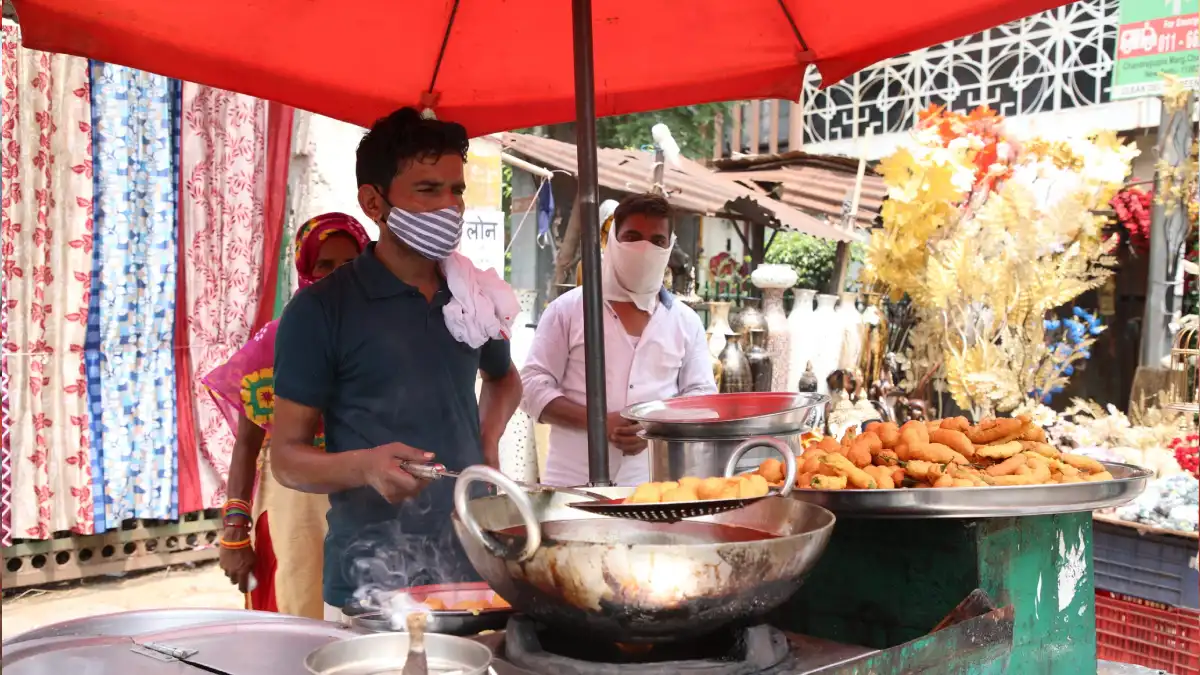
In Guwahati, a visible shift is reshaping the city’s streets — footpaths are increasingly turning into “foodpaths”, occupied by street food vendors, stalls, and evening crowds.
While this transformation reflects the city’s vibrant food culture and informal economy, it is also raising concerns about pedestrian safety and urban planning.
Guwahati’s footpaths are increasingly occupied by street food vendors, creating vibrant food hubs but pushing pedestrians onto roads. The trend highlights the need to balance livelihoods with pedestrian safety and planned urban development.
From Footpaths to Food Hubs
Across key areas like GS Road, Fancy Bazaar, Paltan Bazaar, and residential zones such as Beltola and Maligaon, footpaths are now lined with:
- Street food stalls
- Makeshift seating arrangements
- Evening crowds of customers
These spaces, originally meant for pedestrians, are increasingly becoming informal food zones.
Why This Shift Is Happening
Urban experts point to several factors behind this transformation:
- Rapid urbanisation and population growth
- Limited formal employment opportunities
- Rising demand for affordable, quick food options
- Low entry barriers for street vendors
The street food economy thrives because it is accessible, flexible, and meets daily urban demand.
A Thriving Yet Complex Ecosystem
For many residents, these “foodpaths” are part of Guwahati’s charm.
They offer:
- Affordable meals
- Social gathering spaces
- Quick dining options for students and office-goers
For vendors, these stalls represent critical livelihoods, often their primary or only source of income.
The Pedestrian Left Behind
However, this growth comes at a cost.
As footpaths get occupied:
- Pedestrians are forced onto busy roads
- Elderly citizens and children face higher risks
- Accessibility for persons with disabilities is reduced
The result is a direct conflict between livelihood and safety, where the most vulnerable road users are often pushed aside.
Why This Matters for Guwahati
Guwahati’s transformation into a major commercial hub of Northeast India has brought both opportunity and pressure on urban infrastructure.
Footpaths are not optional — they are essential for:
- Safe pedestrian movement
- Inclusive urban mobility
- Reducing accidents and congestion
The current trend highlights gaps in urban planning, zoning, and enforcement.
The Real Question
The issue is not whether street food should exist.
It clearly plays an important role in:
- Urban culture
- Employment
- Daily life
The real question is whether it should grow at the cost of pedestrian safety and public space.
What Happens Next
Urban planners and authorities may need to explore balanced solutions, such as:
- Designated vending zones
- Regulated street food clusters
- Wider and better-planned footpaths
- Clear enforcement of pedestrian rights
A sustainable approach will require protecting both livelihoods and public infrastructure.
Frequently Asked Questions
Why are Guwahati’s footpaths being occupied by vendors?
The rise of street vendors is driven by urban growth, demand for affordable food, and limited formal employment opportunities.
What problems does this create for pedestrians?
It forces pedestrians onto roads, increasing safety risks, congestion, and accessibility challenges, especially for vulnerable groups.