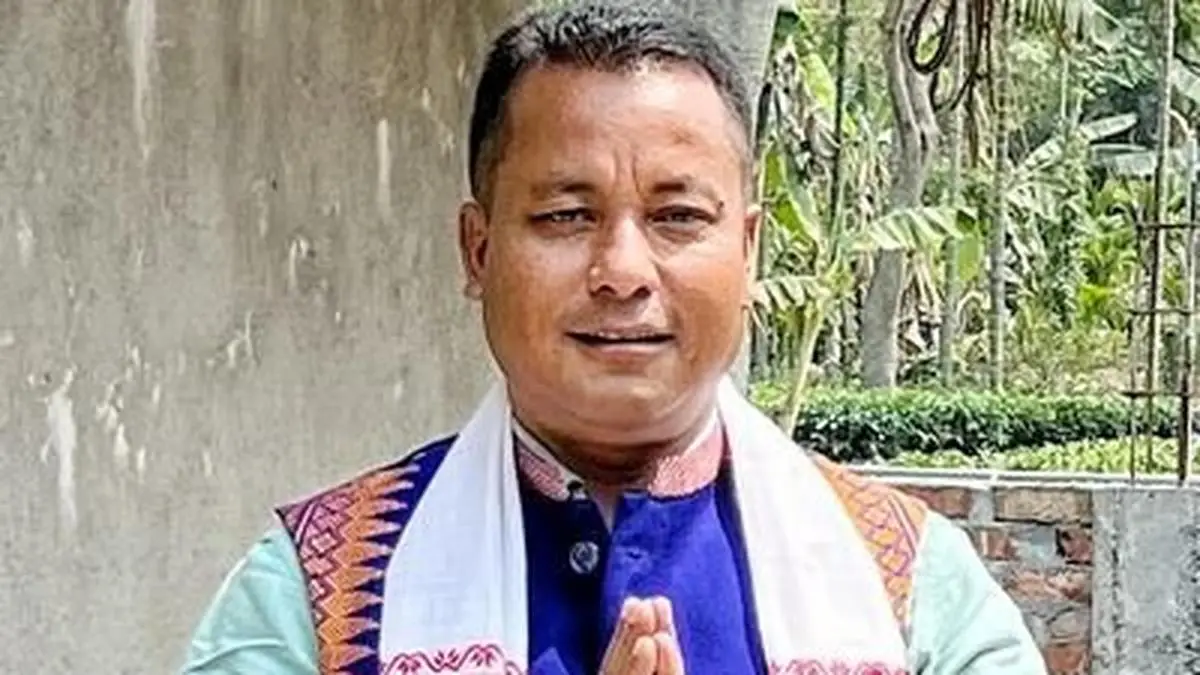
With fuel prices continuing to rise across the country, Assam Transport Minister Charan Boro has urged residents of Guwahati and other urban areas to reduce dependence on private vehicles and shift towards public transport wherever possible.
The appeal comes at a time when commuters in Guwahati are already feeling the impact of rising petrol and diesel prices on daily travel expenses.
Assam Transport Minister Charan Boro has urged people in Guwahati to use buses and trains instead of private vehicles to reduce fuel consumption amid rising petrol and diesel prices.
Minister Appeals to Guwahati Commuters
Speaking to the media after assuming charge of the Transport Department, Boro said citizens should consciously try to:
- Use buses and trains more frequently
- Reduce unnecessary private vehicle usage
- Minimise fuel consumption wherever possible
The statement is particularly relevant for Guwahati, where daily traffic congestion and increasing fuel costs have become major concerns for commuters.
Rising Fuel Costs Affecting Guwahati
Petrol prices in Guwahati recently crossed ₹102 per litre, while diesel prices also saw another increase.
For residents of the city, the hikes are affecting:
- Daily office commuting
- Commercial transport
- Ride-sharing and cab costs
- Household budgets
Many commuters have already started reconsidering their travel habits due to the increasing expenses.
Public Transport Push
The Transport Minister suggested that even a small reduction in private vehicle use could collectively help:
- Lower fuel consumption
- Reduce urban traffic pressure
- Improve fuel management during the current situation
The appeal comes as Guwahati continues to struggle with:
- Heavy traffic congestion
- Road saturation during peak hours
- Increasing number of private vehicles on roads
Government Reducing Fuel Usage Too
Boro also said the Assam government has already initiated steps to reduce unnecessary fuel consumption within departments.
According to him:
- Official convoy movement has been reduced
- District visits are being minimised
- Several meetings are now being held virtually
The minister suggested that similar practices could also be adopted by the public.
Guwahati’s Public Transport Challenges
While encouraging public transport, the statement has also reignited conversations in Guwahati regarding the current condition of the city’s transport system.
Residents often point to issues such as:
- Overcrowded buses
- Irregular public transport timing
- Poor last-mile connectivity
- Traffic chaos at bus stops
Many commuters believe better public transport infrastructure will be necessary to encourage large-scale behavioural change.
Calls for Long-Term Urban Mobility Solutions
Urban planners in Guwahati have repeatedly argued for:
- Improved city bus systems
- Better traffic management
- River transport alternatives
- Future metro or rapid transit planning
The proposed Water Metro project on the Brahmaputra has also recently become part of broader mobility discussions.
Minister Yet to Begin Full Review
Charan Boro stated that he has only recently taken charge of the department, and detailed review meetings with officials are yet to begin.
However, he said the department would soon initiate a broader review of:
- Transport infrastructure
- Operational challenges
- Transport policies in Assam
What Happens Next
As fuel prices continue to remain high, the pressure on commuters in Guwahati is expected to grow further.
Whether the city can realistically shift toward greater public transport use may ultimately depend on how quickly infrastructure and service quality improve.
Frequently Asked Questions
What did the Assam Transport Minister say?
He urged people to reduce private vehicle usage and use public transport amid rising fuel prices.
Why is this significant for Guwahati?
Guwahati faces heavy traffic congestion and rising commuting costs due to increasing petrol and diesel prices.
What measures has the government taken?
The government has reportedly reduced convoy movement, official travel and shifted some meetings online to cut fuel consumption.