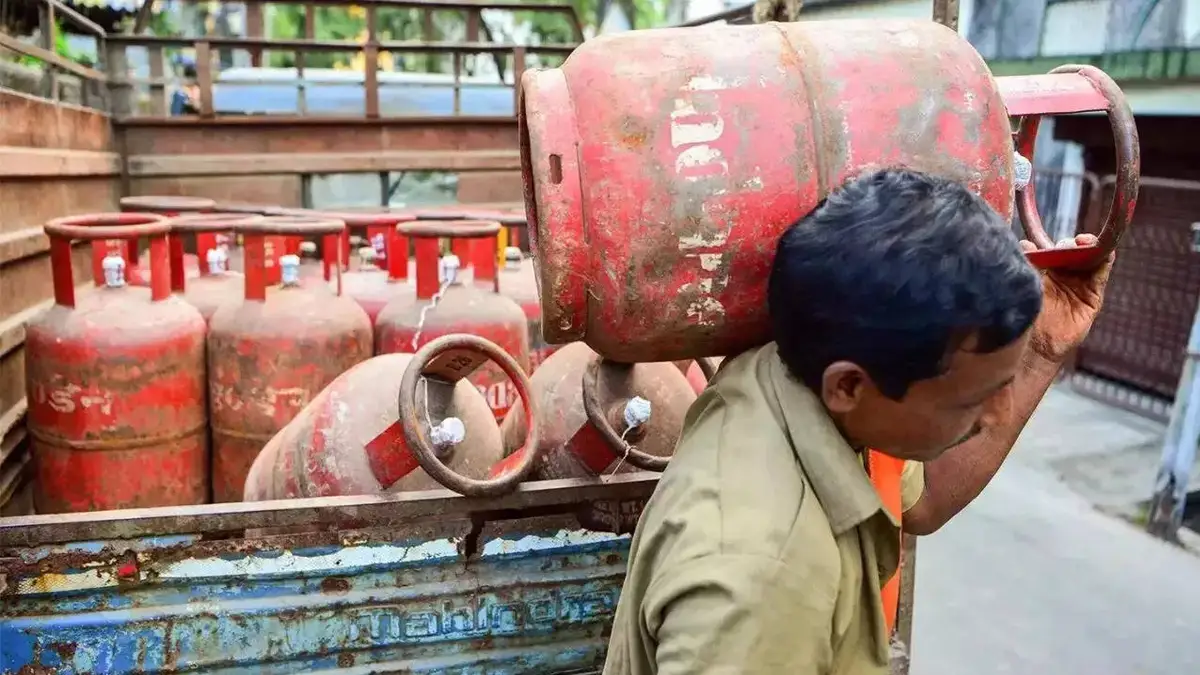
The Assam government has set up a high-powered committee to closely monitor Liquefied Petroleum Gas (LPG) supply, as concerns over availability emerged following reports that local refineries can currently meet only about 30 per cent of the state’s demand.
The committee, led by Ravi Kota, will regularly review the fuel supply situation and coordinate with relevant departments to ensure uninterrupted LPG availability across the state, including in Guwahati.
The Assam government has formed a high-powered committee led by Chief Secretary Ravi Kota to monitor LPG supply after refineries reported they can currently meet only about 30% of the state’s demand. Authorities say domestic LPG supply remains stable and residents in Guwahati have been reassured that there is no shortage.
Refineries Currently Meeting About 30% of Demand
According to the Chief Secretary, Assam’s four refineries currently have the capacity to meet only around 30 per cent of the state’s LPG requirement.
These refineries include:
- Indian Oil Corporation Limited refinery at Digboi
- IOC refinery at Guwahati
- IOC refinery at Bongaigaon
- Numaligarh Refinery Limited at Numaligarh
Officials said refineries have been urged to increase production to help bridge the supply gap.
Situation Reviewed at National-Level Meeting
Ravi Kota said the issue was reviewed during a video conference chaired by the Union Home Secretary, where chief secretaries and directors general of police from states and Union territories assessed the availability of LPG and diesel across the country.
The meeting focused on ensuring a stable fuel supply amid global concerns affecting energy supply chains.
Government Monitoring Rumours and Misinformation
Alongside the supply review, the state government has also created a media monitoring committee to track rumours or misleading reports that could create panic among consumers.
Authorities said enforcement agencies have been instructed to take strict action against individuals spreading false information or attempting to create panic regarding fuel availability.
Officials stressed that misinformation could lead to unnecessary panic buying and pressure on the distribution system.
Chief Minister Reassures Residents
Himanta Biswa Sarma has reassured residents that there is currently no shortage of LPG cylinders in the state.
Speaking to the media, the Chief Minister said the government is closely monitoring developments linked to geopolitical tensions in West Asia, which have raised concerns about global fuel supply chains.
Authorities said steps are being taken to ensure an uninterrupted supply of cooking gas to households, particularly in major urban centres such as Guwahati.
Why This Matters for Guwahati
Guwahati, being Assam’s largest city and a major commercial hub, has a large population dependent on LPG for cooking in homes, restaurants, and businesses.
Any disruption in LPG availability could significantly affect households, hospitality businesses, and small food establishments across the city.
Officials say the government’s monitoring mechanism aims to prevent supply disruptions and avoid panic among consumers.
What Happens Next
The high-powered committee will continue to regularly review LPG supply and distribution across the state.
Authorities are also coordinating with refineries and fuel companies to ensure production increases where possible and supply chains remain stable.
Further updates will be issued by the government if there are any changes in LPG supply conditions.
Frequently Asked Questions
Q. Why has Assam formed a committee to monitor LPG supply?
The Assam government formed a high-powered committee to monitor LPG supply after local refineries indicated they could currently meet only around 30% of the state’s demand.
Q. Is there a shortage of LPG cylinders in Guwahati?
No. The Assam government has stated that there is currently no shortage of LPG cylinders, and authorities are monitoring the situation to ensure an uninterrupted supply.