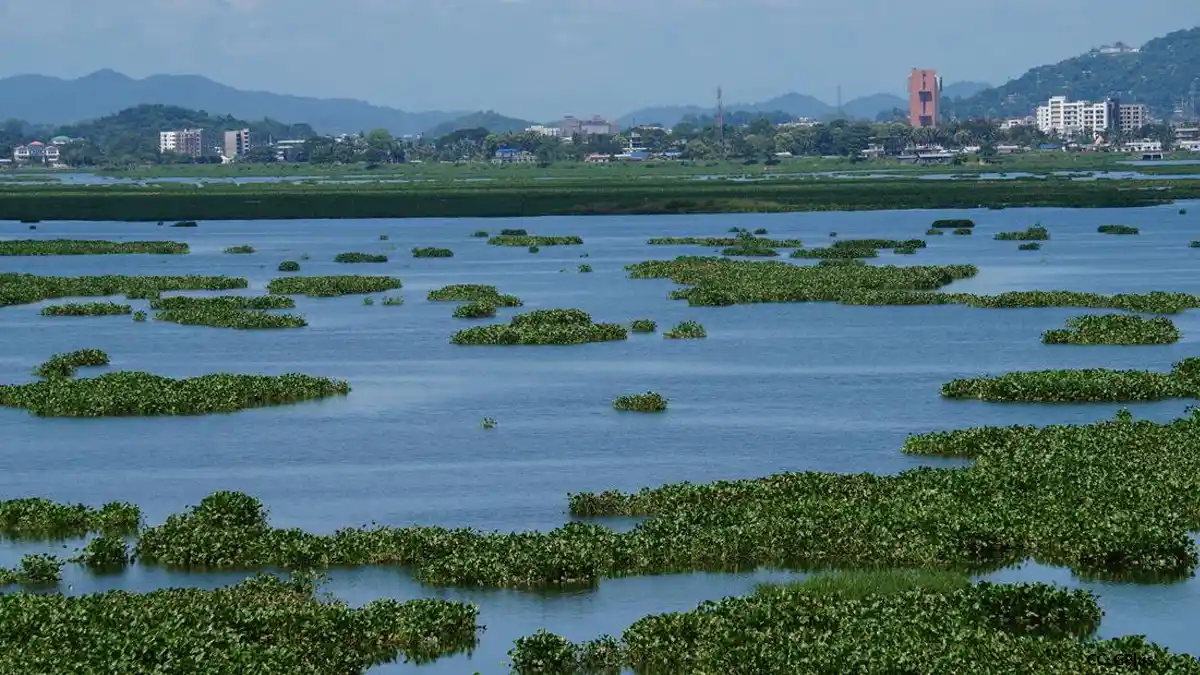
Guwahati’s Deepor Beel, a notified Ramsar wetland and one of Assam’s most important freshwater ecosystems, is witnessing a steady decline in biodiversity and fish population, raising serious livelihood concerns for hundreds of fishermen dependent on the wetland. Environmental groups and local fishing communities say the damage has accumulated over the years due to pollution, siltation, and unchecked waste dumping.
Once known for its rich aquatic life and migratory birds, Deepor Beel now shows visible signs of ecological stress, with deteriorating water quality and shrinking habitats.
Deepor Beel in Guwahati is facing a gradual ecological decline due to pollution, siltation, and waste dumping, leading to reduced fish population and loss of biodiversity. Fisherfolk who depend on the Ramsar-listed wetland say their livelihoods are under threat as water quality worsens and fish catches continue to fall.
A Lifeline for Fisherfolk Under Threat
For decades, Deepor Beel has sustained hundreds of fishing families living around its periphery. The wetland provided consistent fish stocks, seasonal income, and food security for generations.
Fishermen now say daily catches have reduced sharply. Many report that species once common in the Beel have become scarce, forcing them to spend more time on the water for significantly lower returns.
“This is not just about the environment anymore. It is about survival,” said a local fisherman, pointing to declining income and rising uncertainty for younger generations.
Pollution and Waste are Major Concerns
Environmentalists attribute the decline largely to growing pollution from Guwahati. Solid waste dumping near the wetland, untreated sewage, plastic waste, and chemical runoff have steadily altered water quality.
Residents living near Deepor Beel say waste accumulation has increased over the years, especially along access roads and low-lying dumping zones. During monsoon months, pollutants are washed directly into the wetland, accelerating ecological damage.
Experts warn that continued neglect could permanently alter the Beel’s freshwater ecosystem.
Loss of Biodiversity
Deepor Beel was once recognised as a major habitat for freshwater fish, aquatic plants, and migratory birds. Its Ramsar status highlights its international ecological importance.
However, shrinking water spread, siltation, and contamination have reduced breeding grounds for fish and nesting spaces for birds. Environmental groups say the decline in biodiversity is a clear indicator of long-term ecological stress rather than a seasonal fluctuation.
Impact Beyond the Wetland
The degradation of Deepor Beel has implications beyond fishing communities. Wetlands play a key role in flood regulation, groundwater recharge, and climate resilience for Guwahati.
Urban planners and environmental experts caution that ignoring the Beel’s health could worsen flooding and environmental risks for surrounding city areas.
What Needs to Happen
Environmental groups and local residents have called for:
- Strict prevention of waste dumping near the wetland
- Improved sewage treatment and drainage management
- Regular water quality monitoring
- Sustainable livelihood support for affected fishermen
They argue that without coordinated action, restoration may soon become far more difficult and costly.
What Happens Next
Officials are expected to review wetland protection measures, though no new intervention timeline has been announced yet. Fisherfolk and environmental activists say urgent steps are needed to prevent further damage.
The future of Deepor Beel, they warn, will directly shape both Guwahati’s ecological balance and the survival of communities that depend on it.
Frequently Asked Questions
Why is Deepor Beel important to Guwahati?
Deepor Beel is a Ramsar-listed wetland that supports biodiversity, regulates floods, and provides livelihoods to hundreds of fishing families around Guwahati.
What is causing the decline of Deepor Beel?
Pollution, siltation, untreated sewage, and solid waste dumping from nearby urban areas are the main factors affecting the wetland’s health.